







REVIEW FESTIVAL 2025
A weekend full of excitement, inspiration and unforgettable impressions!
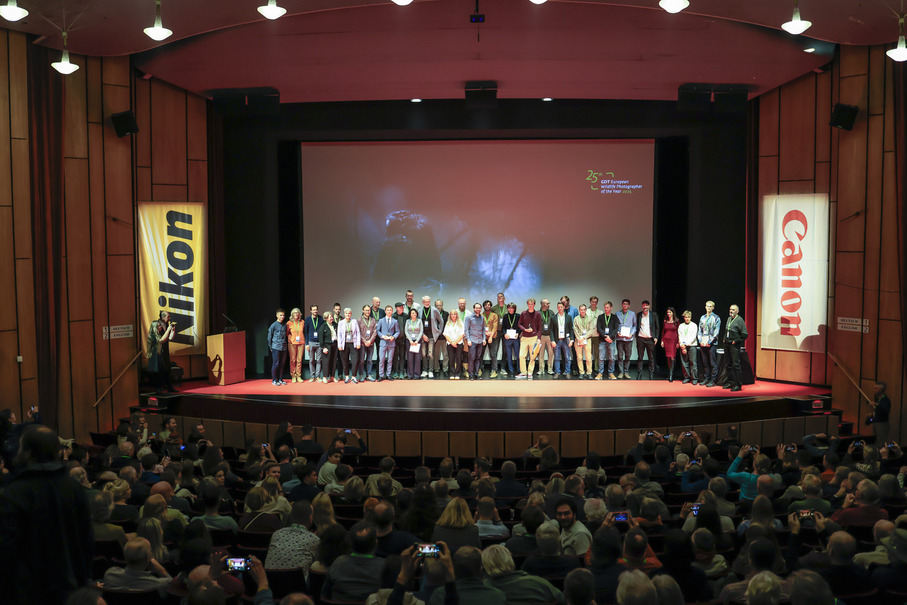
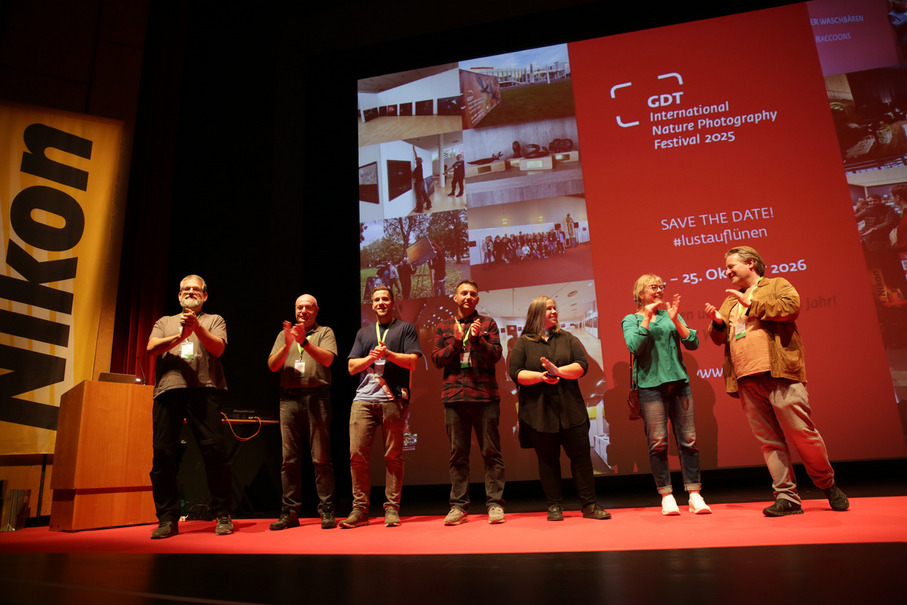
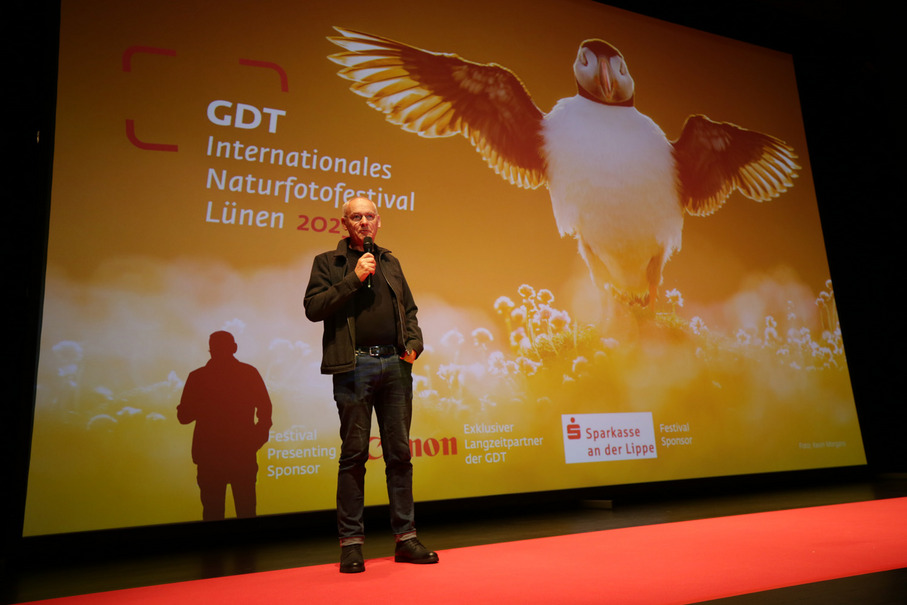
From 24 to 26 October 2025, the town of Lünen an der Lippe was once again transformed into the centre of international nature photography. The GDT (Society for Nature Photography) International Nature Photography Festival opened its doors for the 31st time – and delighted visitors from all over the world.
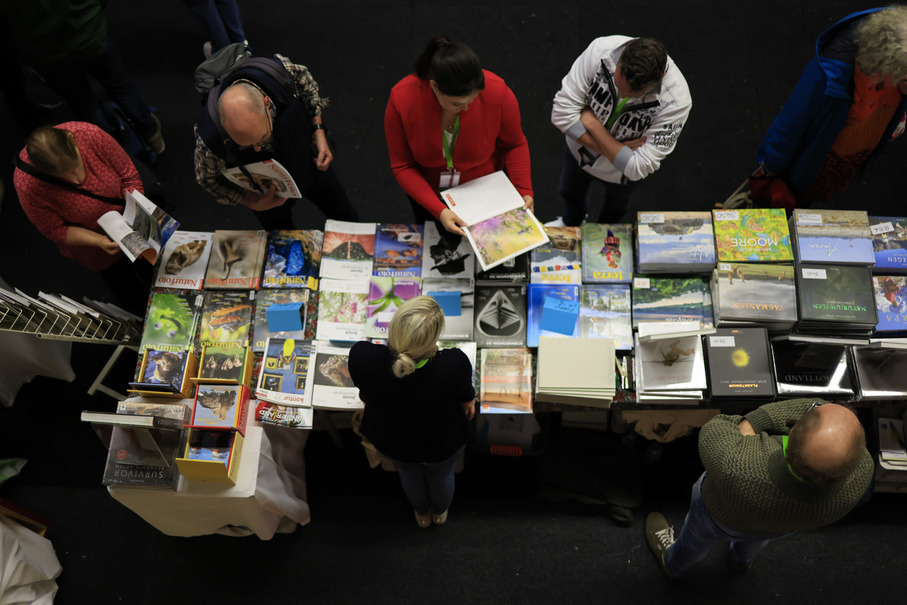
For three days, everything revolved around the fascination of nature photography: with exciting seminars, impressive exhibitions, festive award ceremonies, a diverse programme of lectures and a large photo market that invited visitors to discover and exchange ideas. Stars such as Audun Rikardsen, Morgan Heim, Florian Ledoux, Aaron Gekoski and many more thrilled the audience with their performances and presentations.
The special atmosphere, the international exchange and the shared passion for nature and visual language made the festival another unforgettable experience.
We look back on the best moments of the festival with our picture gallery. Enjoy browsing!
Preparations for the festival
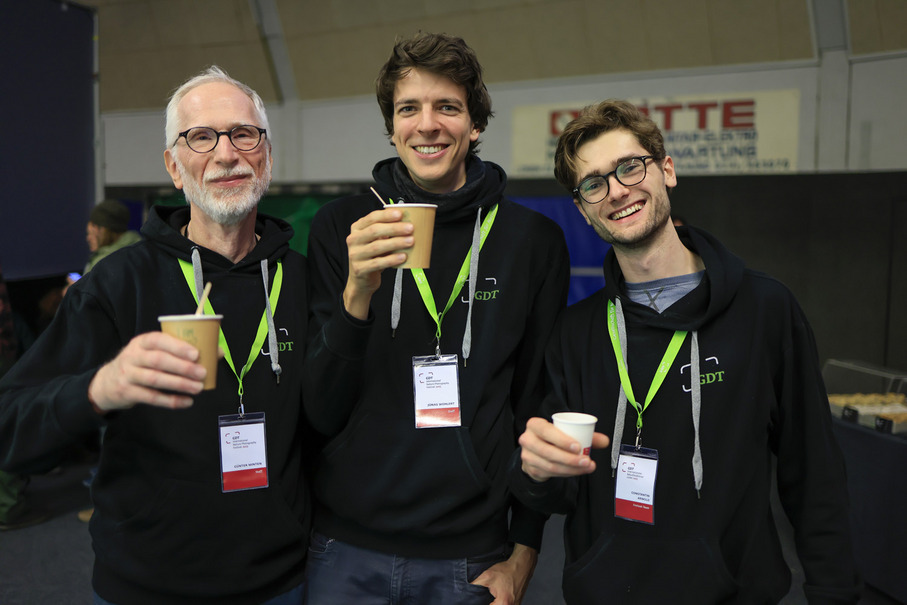
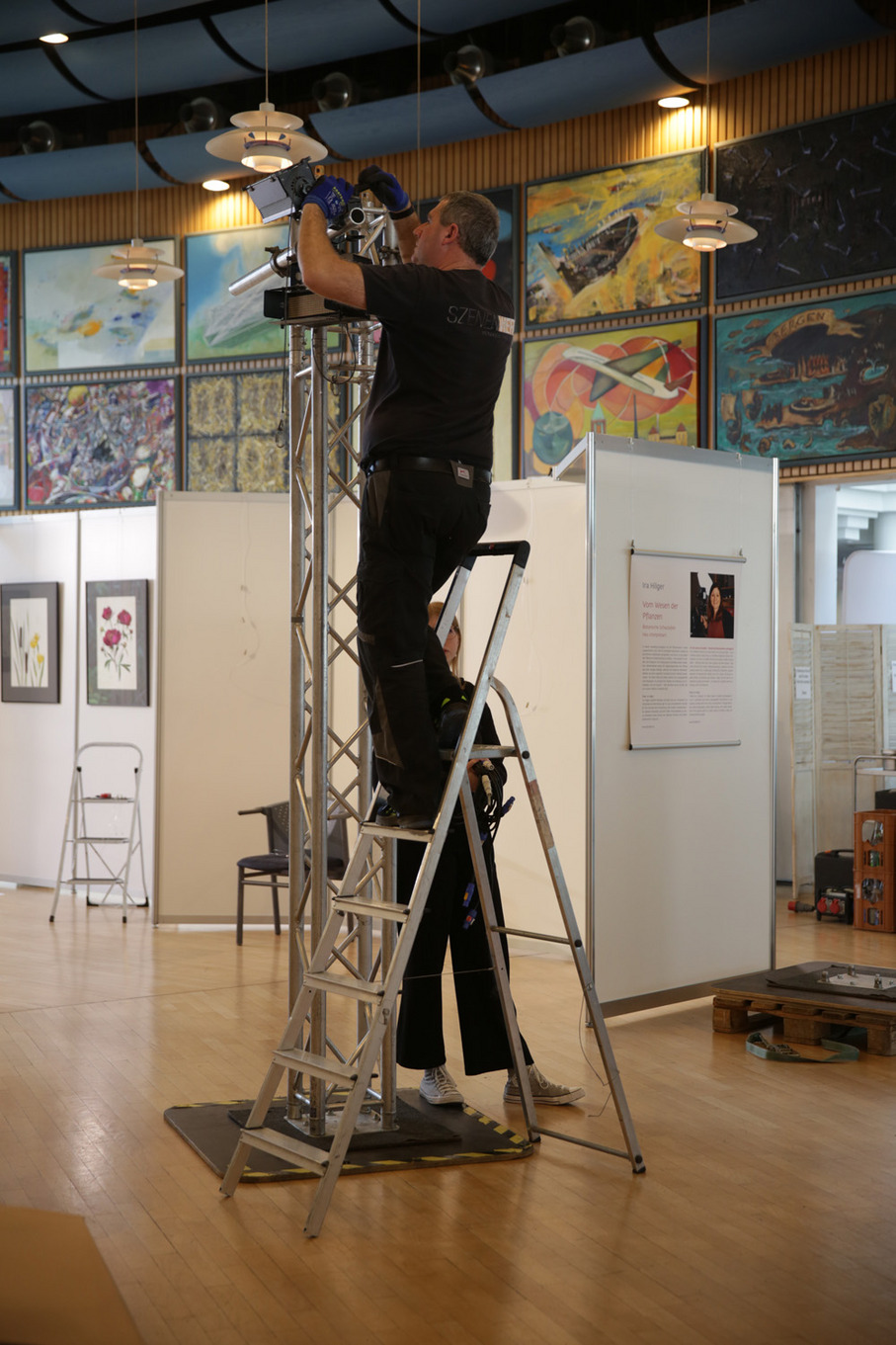
A week before the start, Lünen was already bustling with activity: the first teams arrived, laden with freshly printed exhibition pictures, posters, flyers, boxes full of books, postcards and forum material – and above all, high spirits and great anticipation.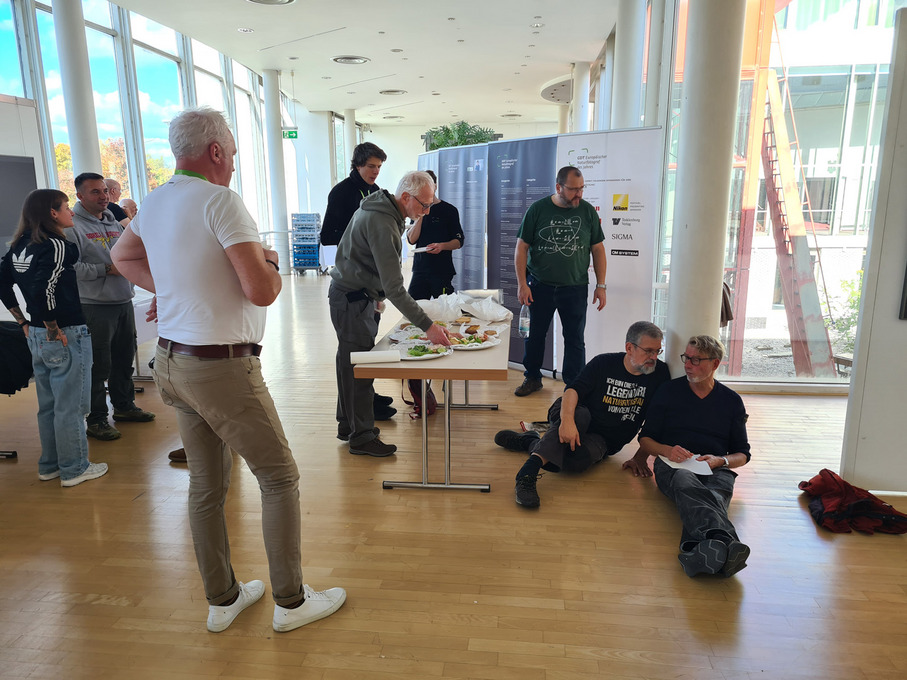
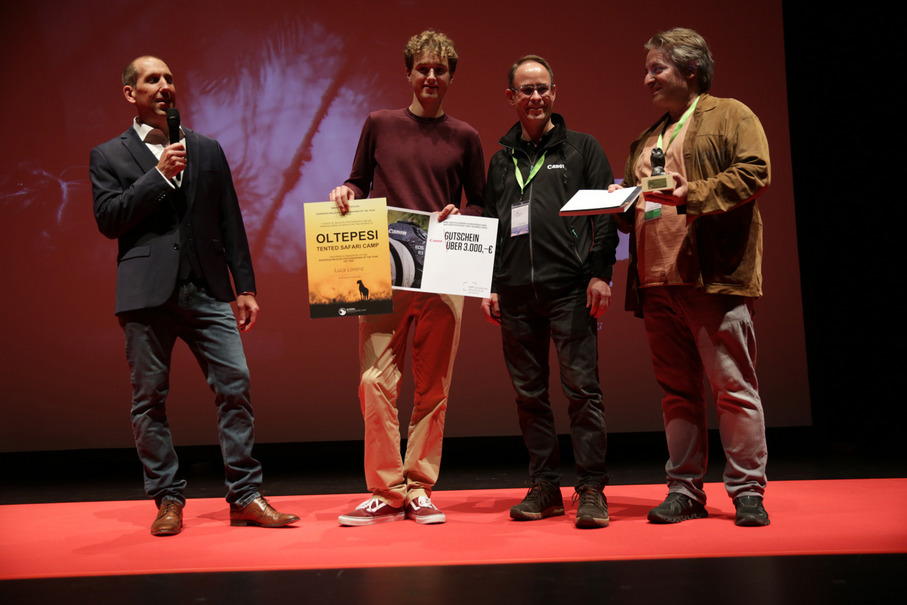
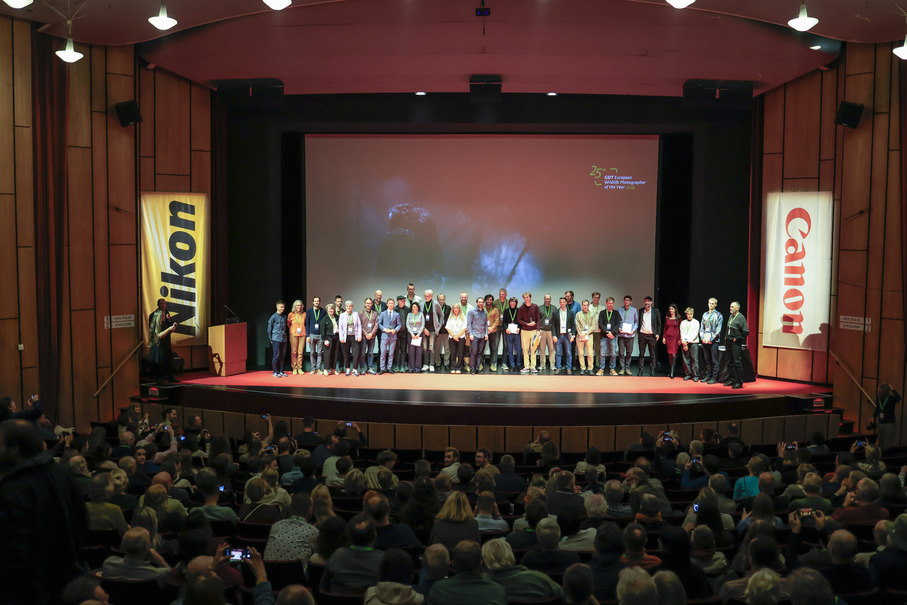
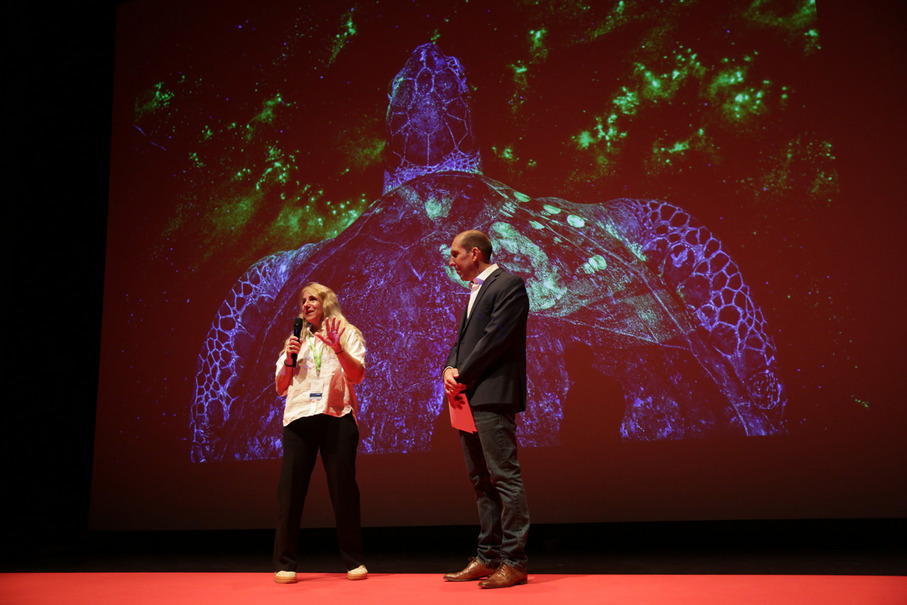
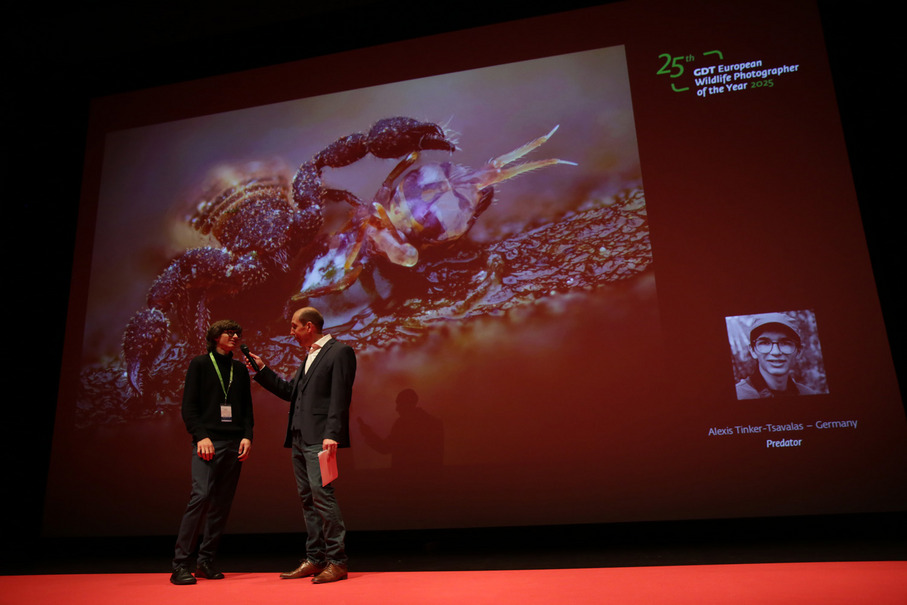
Award ceremony
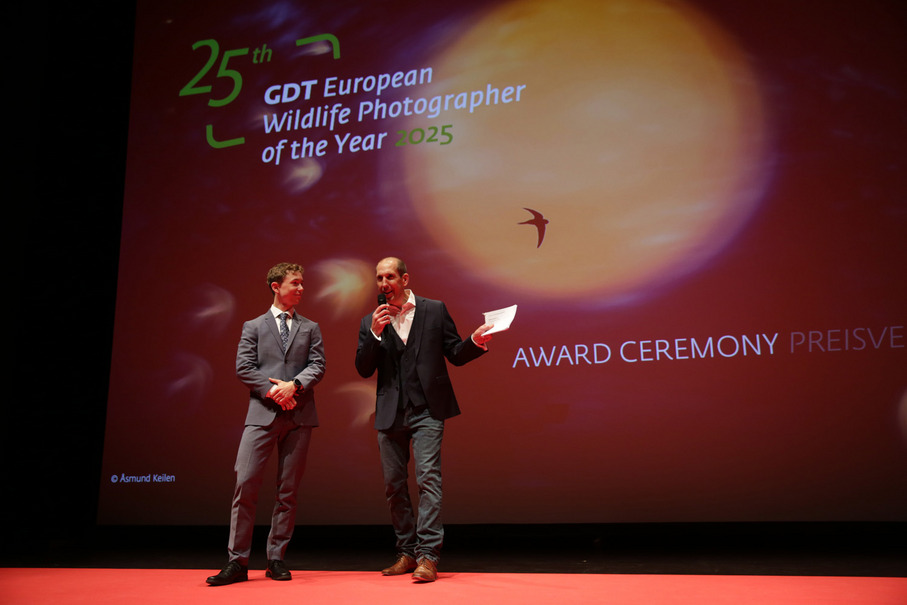
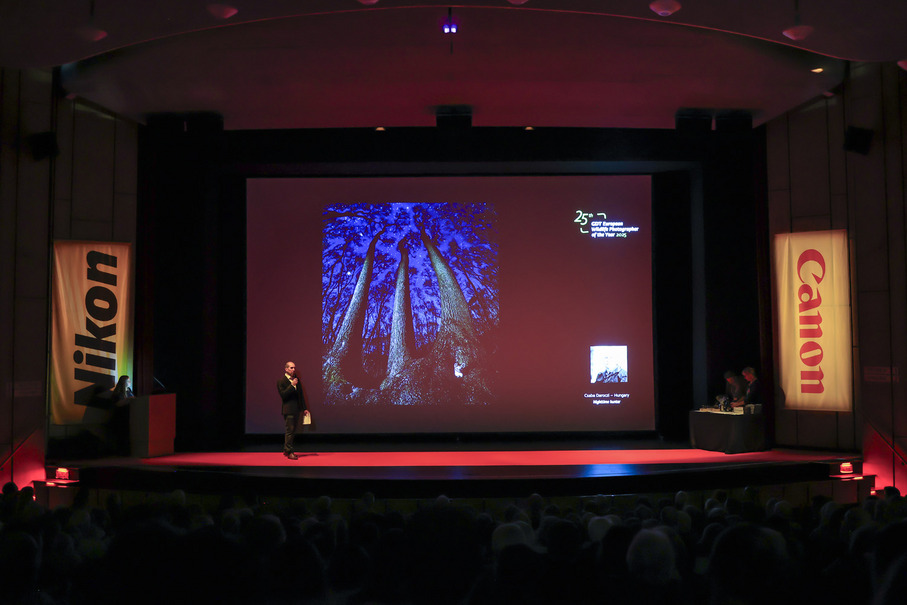
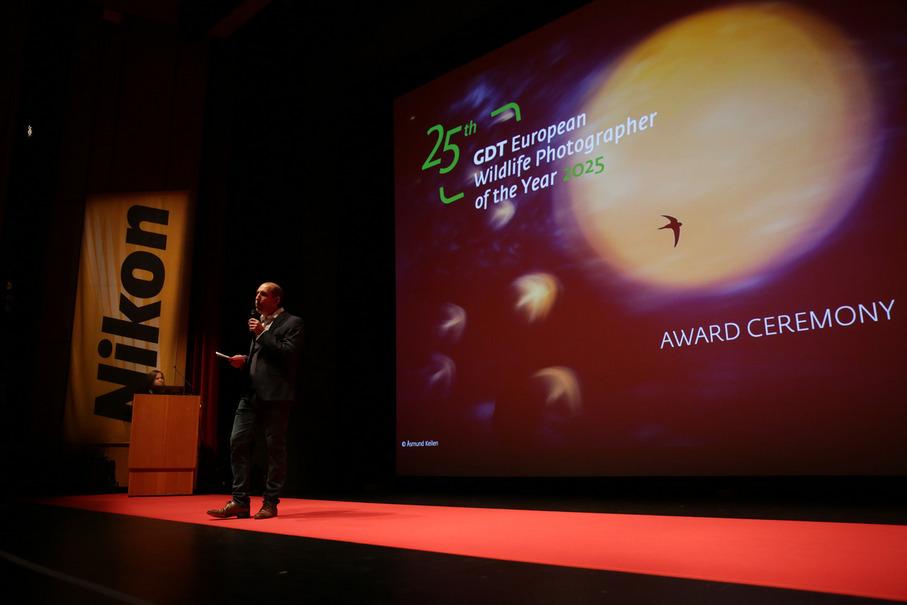
Almost 24,500 photographs were submitted by amateur and professional photographers from 48 countries to the European Nature Photographer of the Year competition. This was a record number of entries for the 25th edition of the GDT competition and a major challenge for the five-member international jury. From all the entries submitted online, and after three days of intensive work on site, the jury selected 107 winning images in nine categories and two special categories.
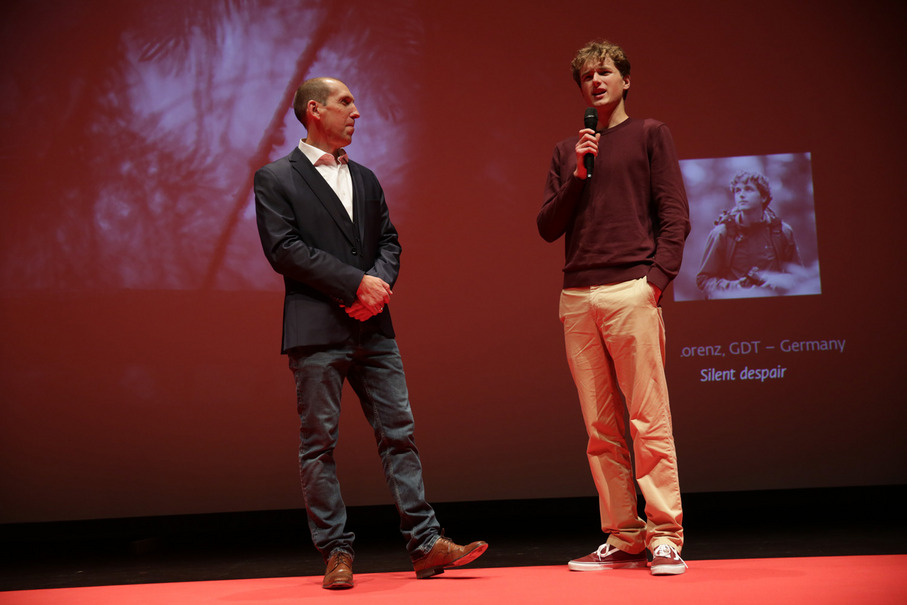
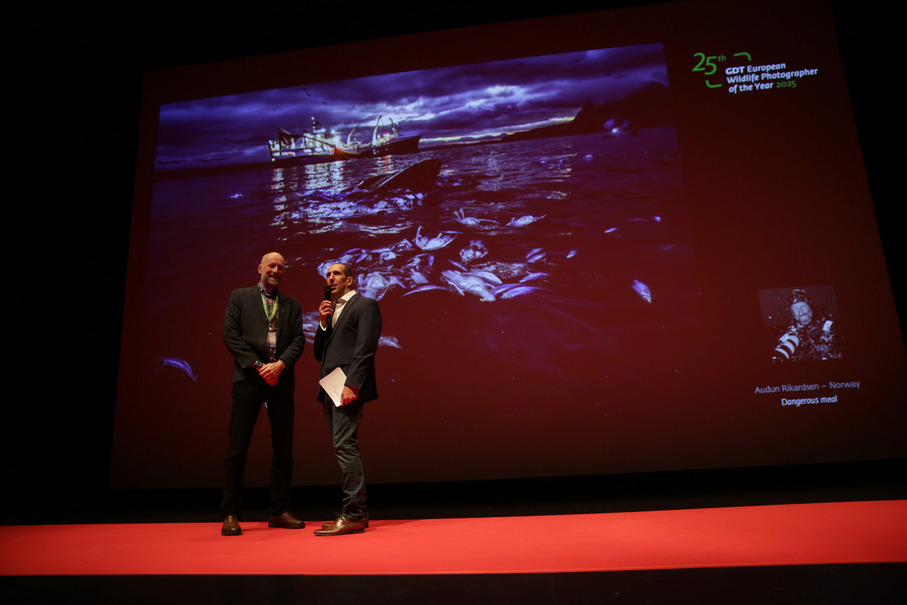
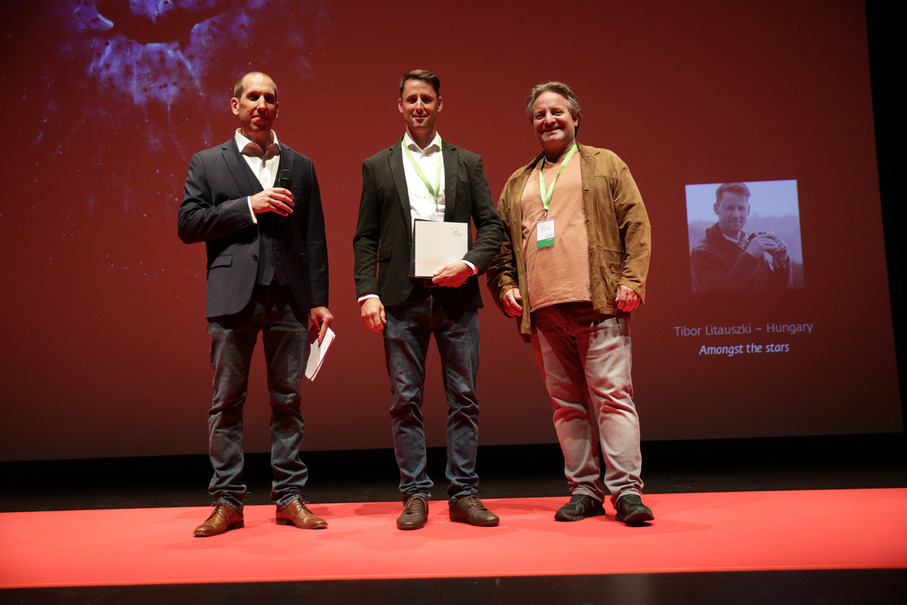
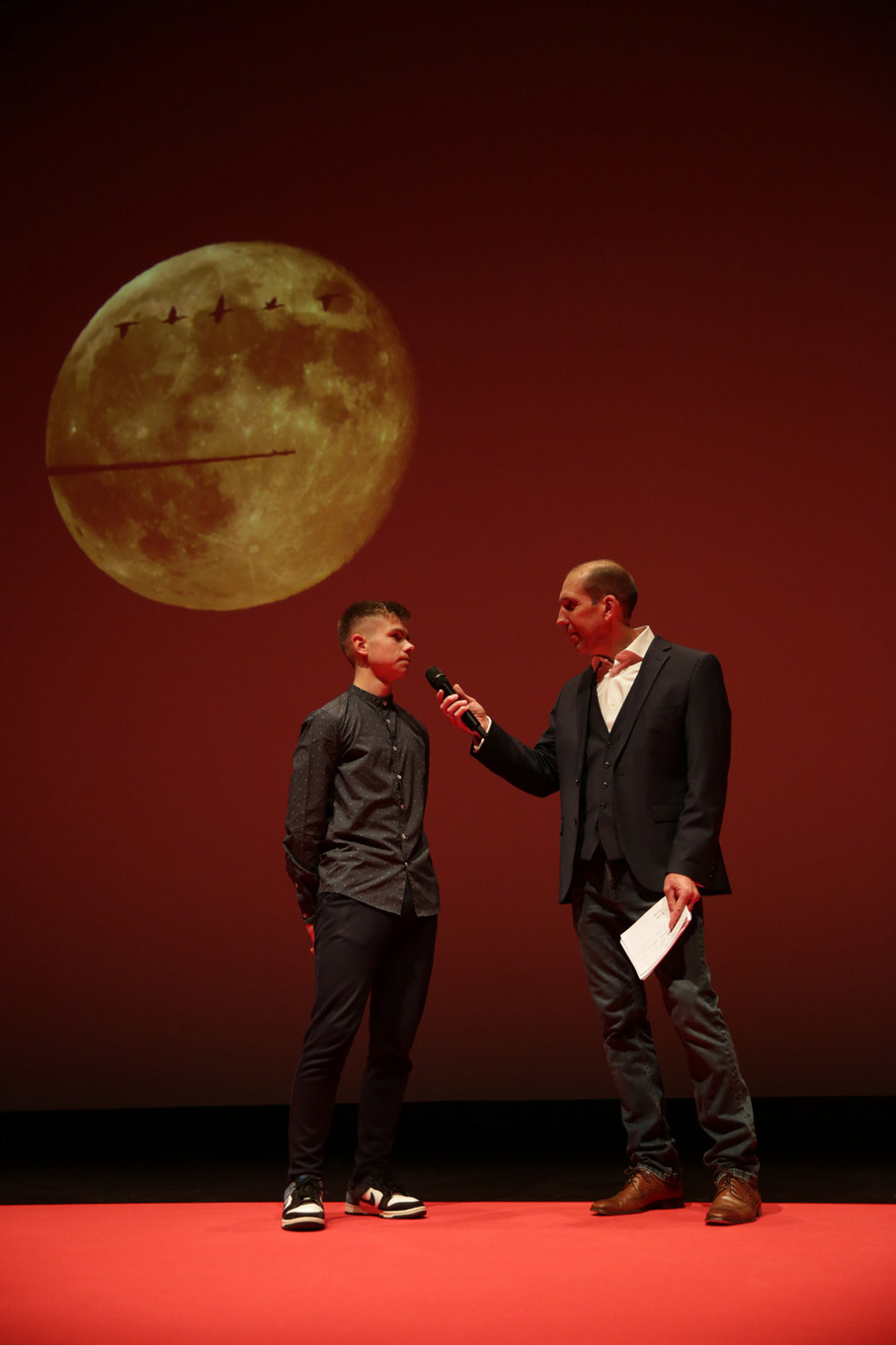
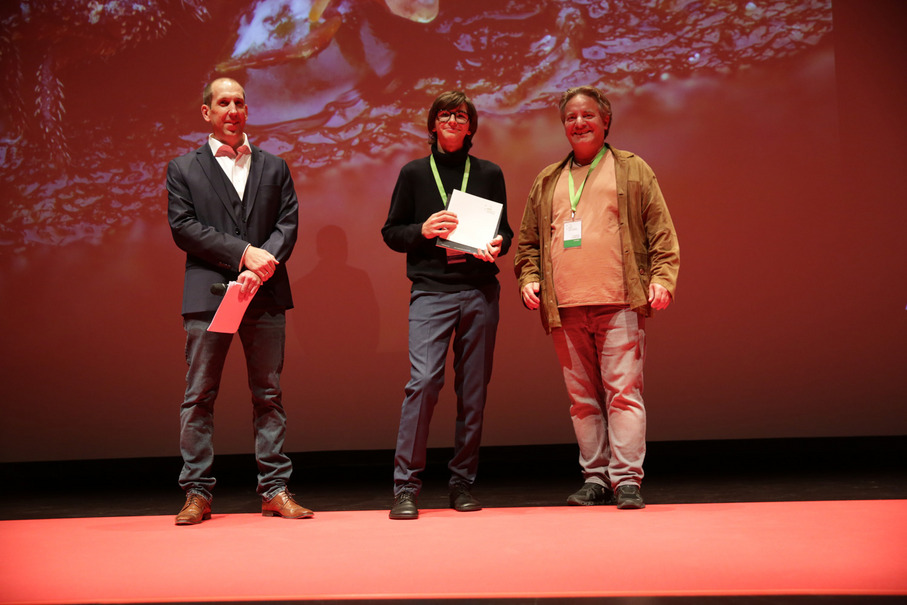
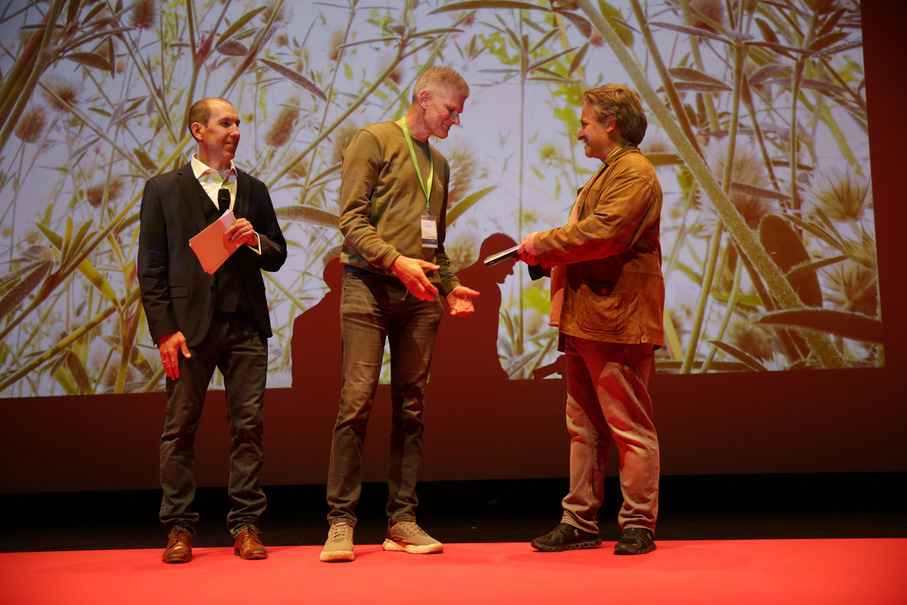
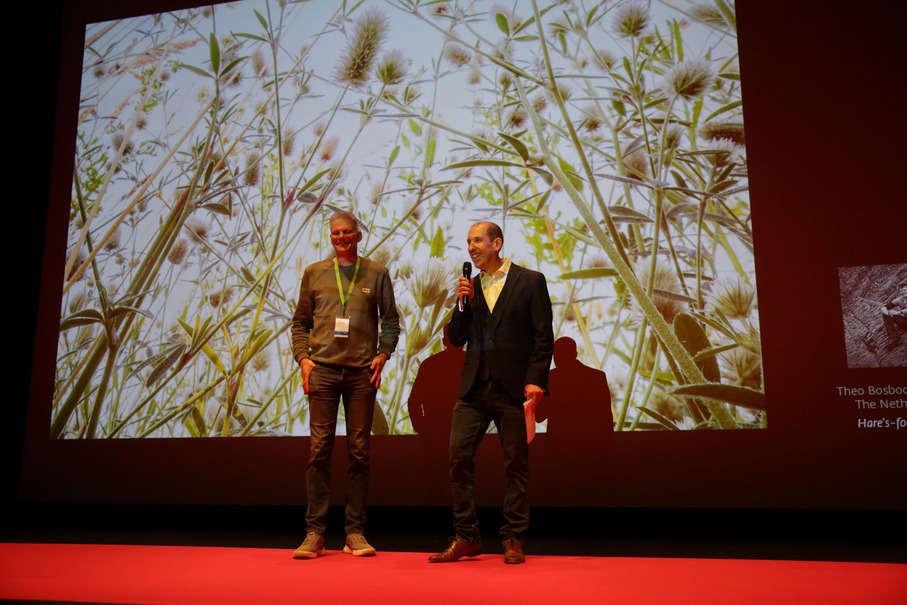
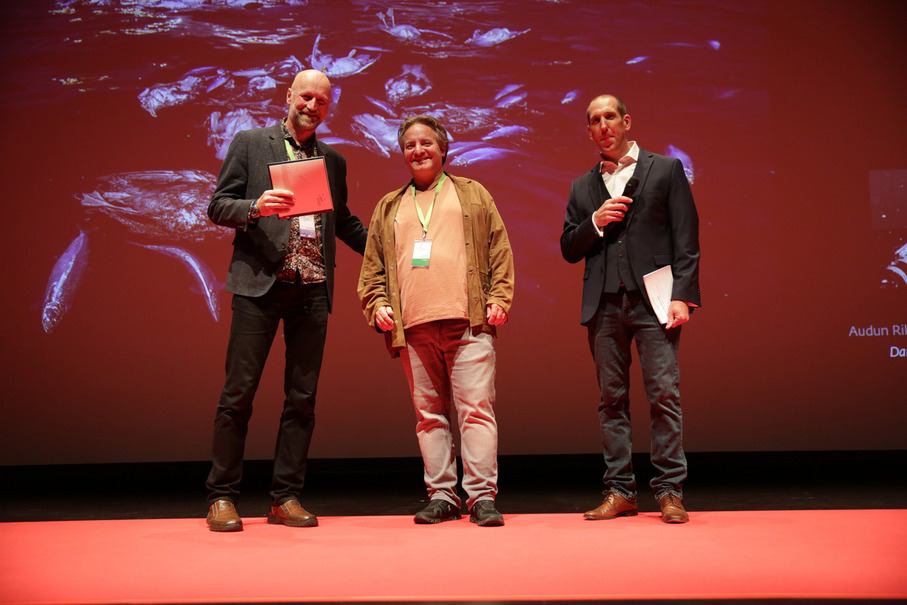
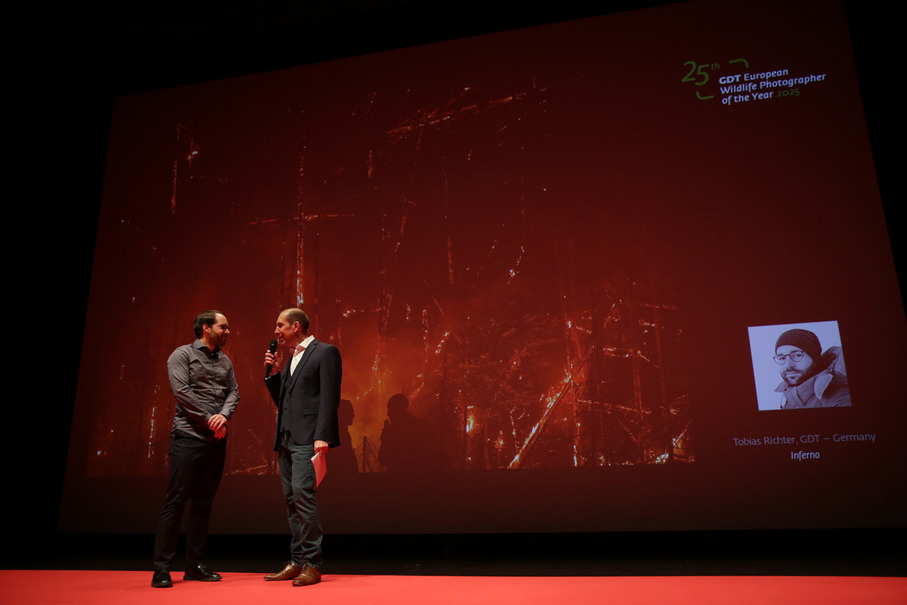
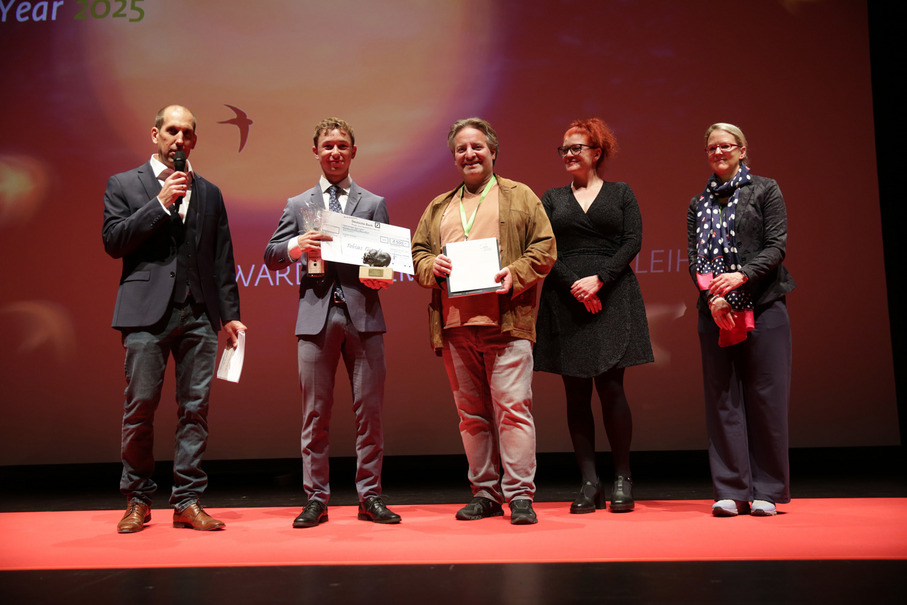
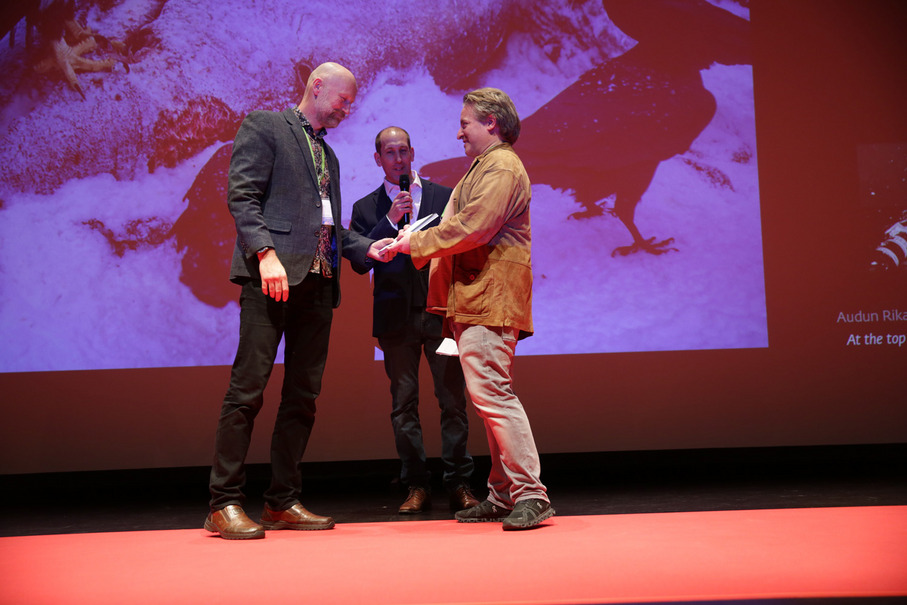
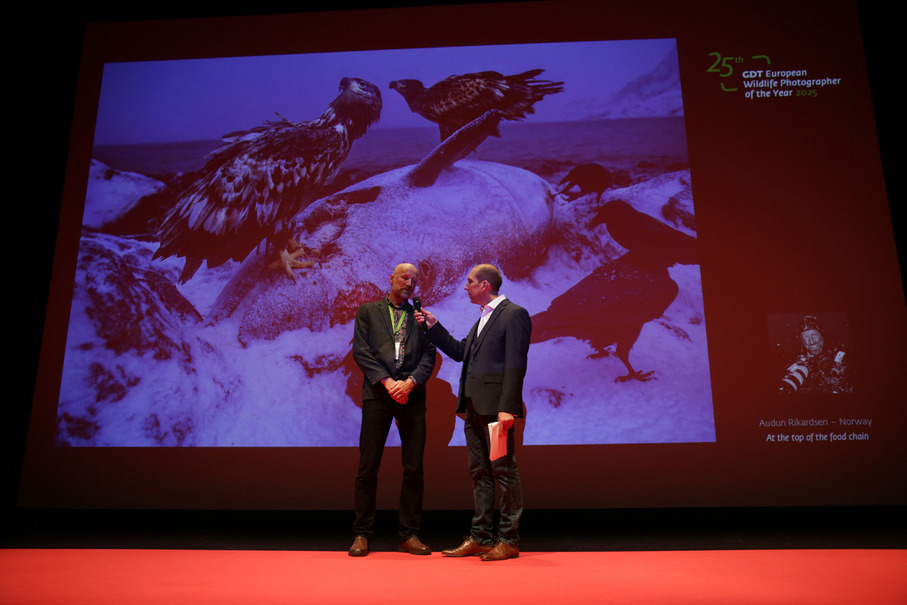
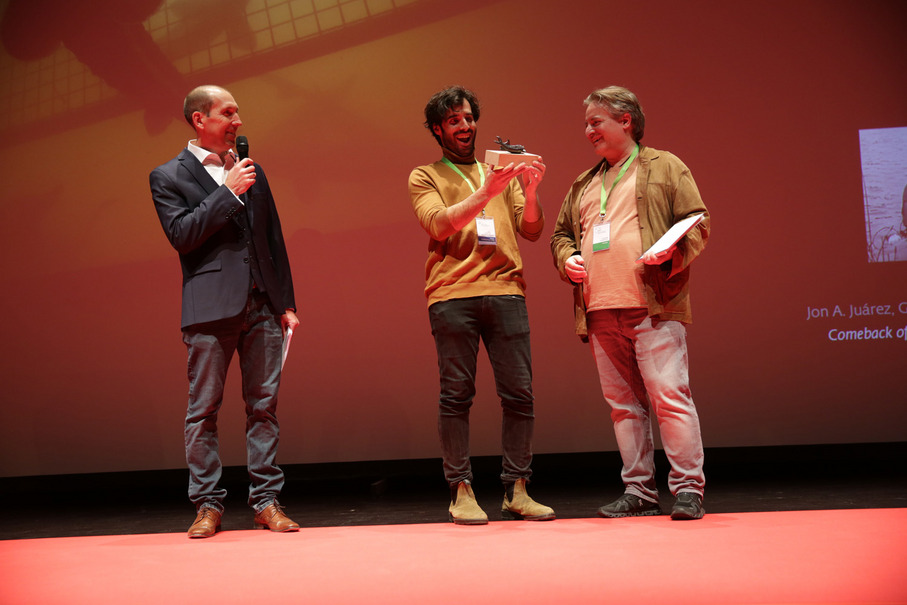
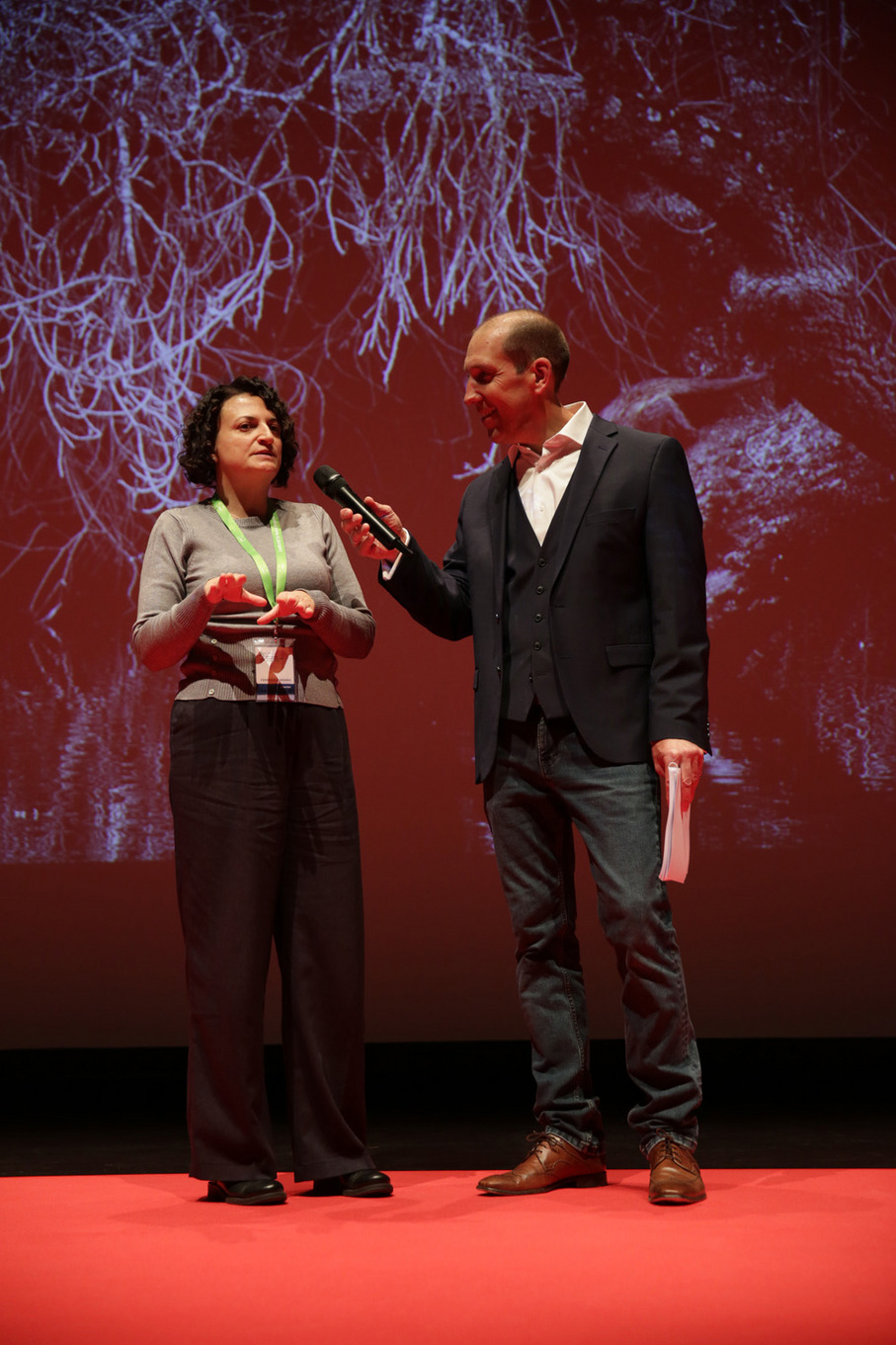
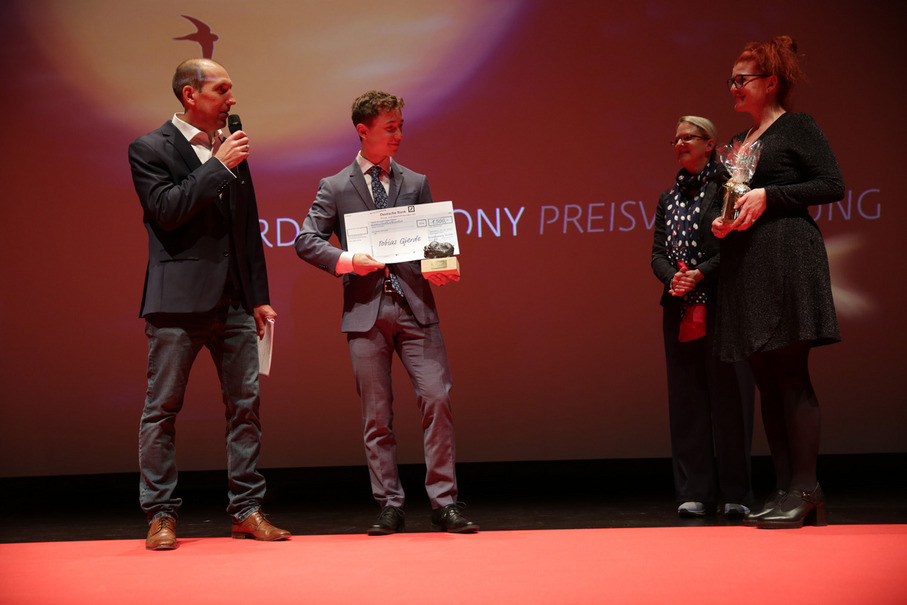
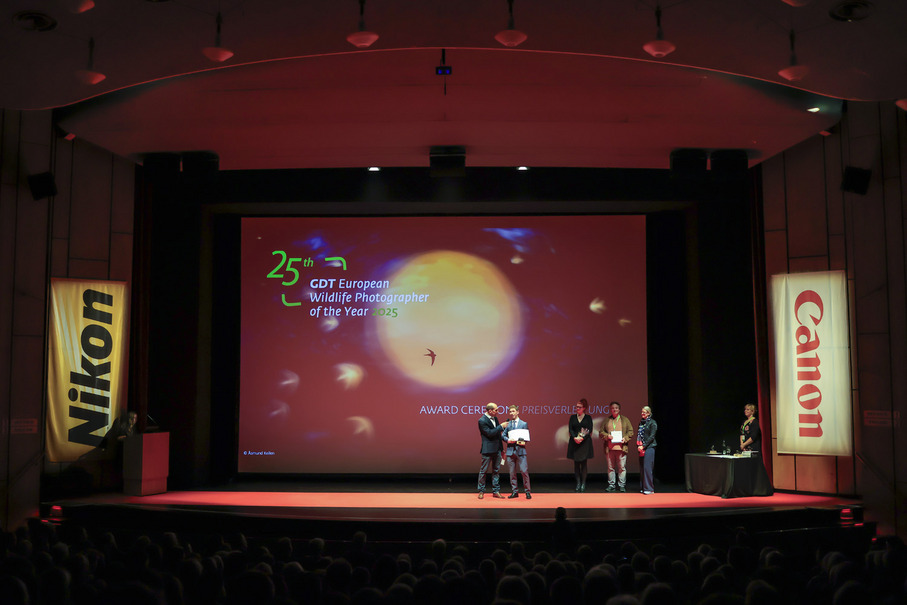
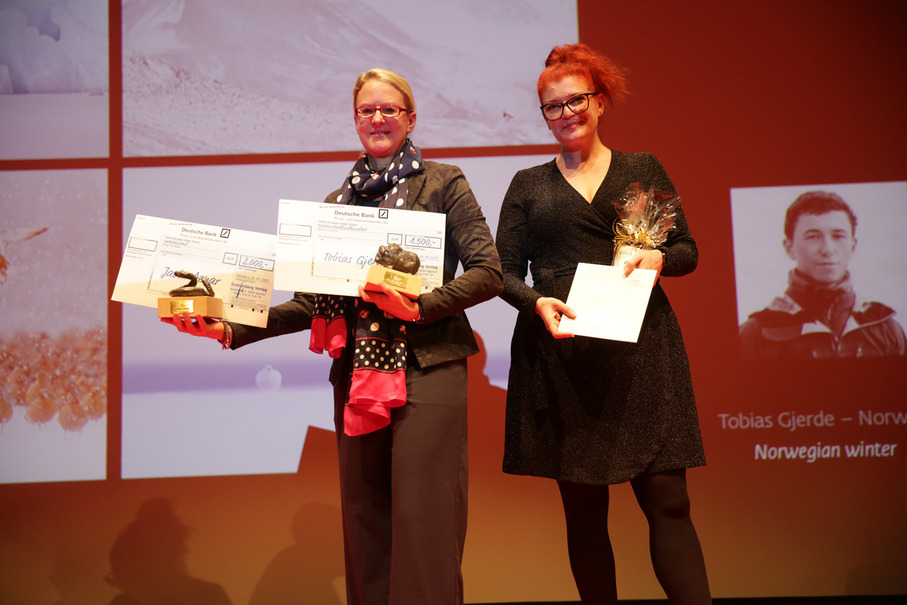
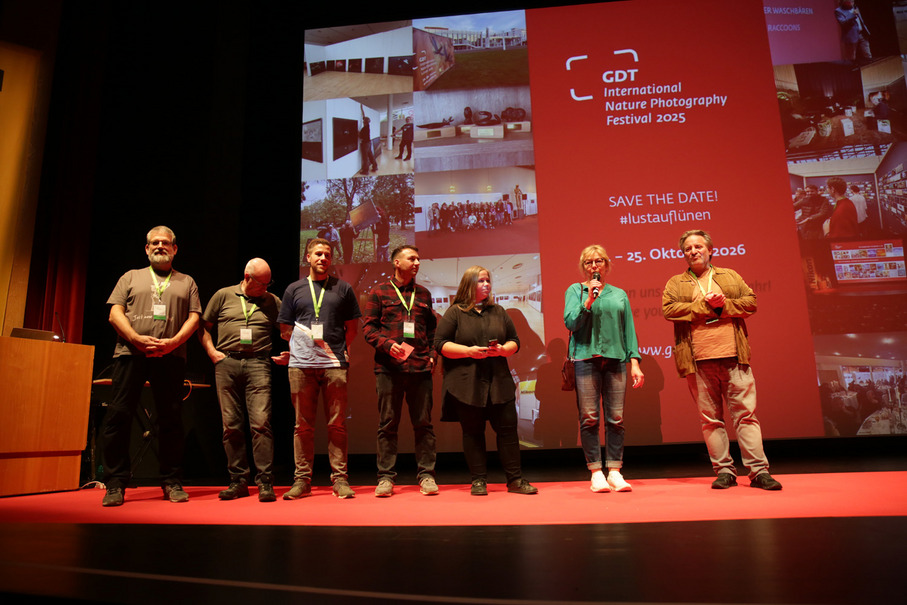
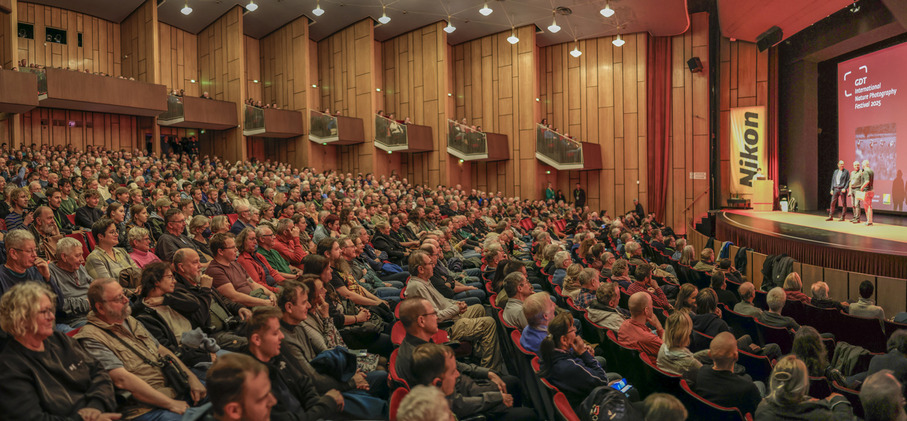
On Friday evening, 24 October 2025, the competition's award ceremony took place as part of the GDT's International Nature Photography Festival.
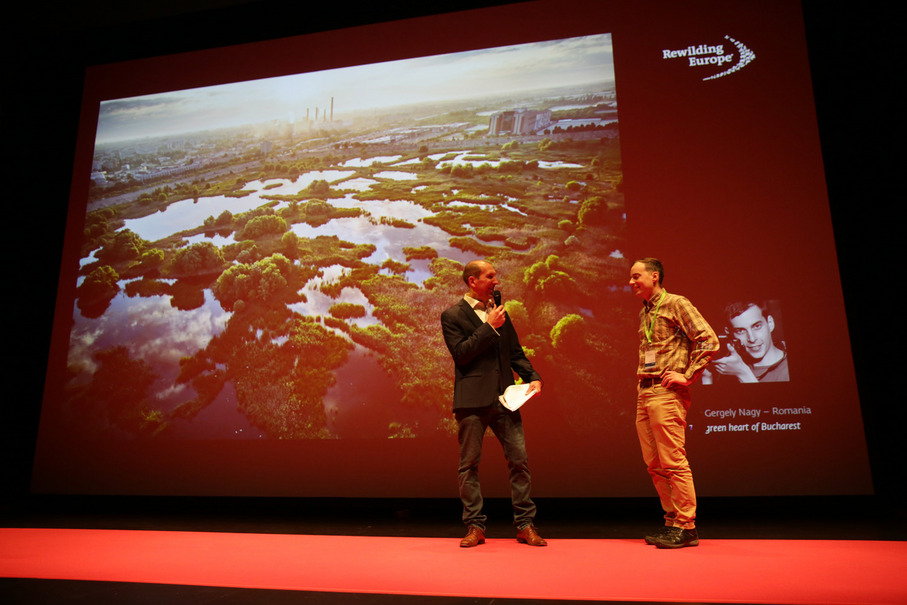
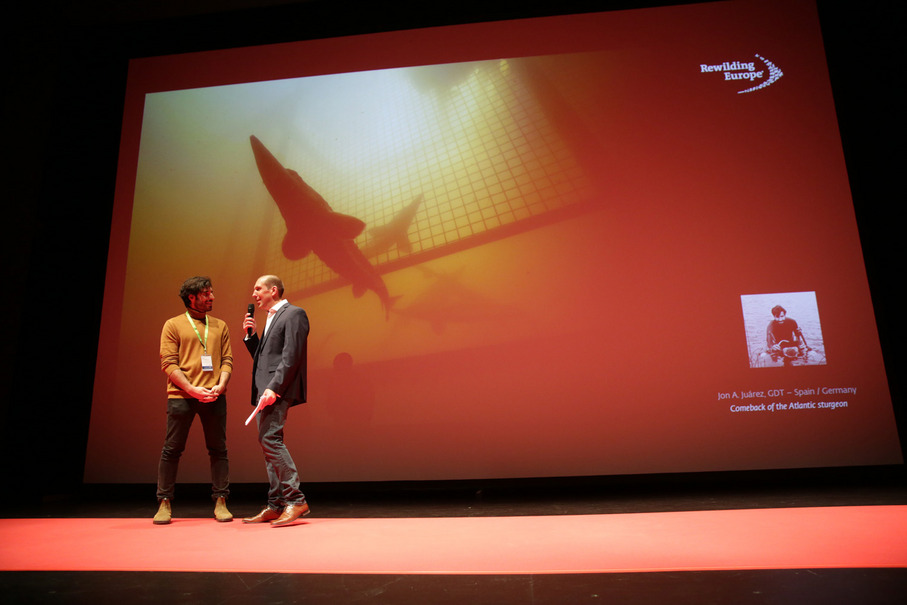
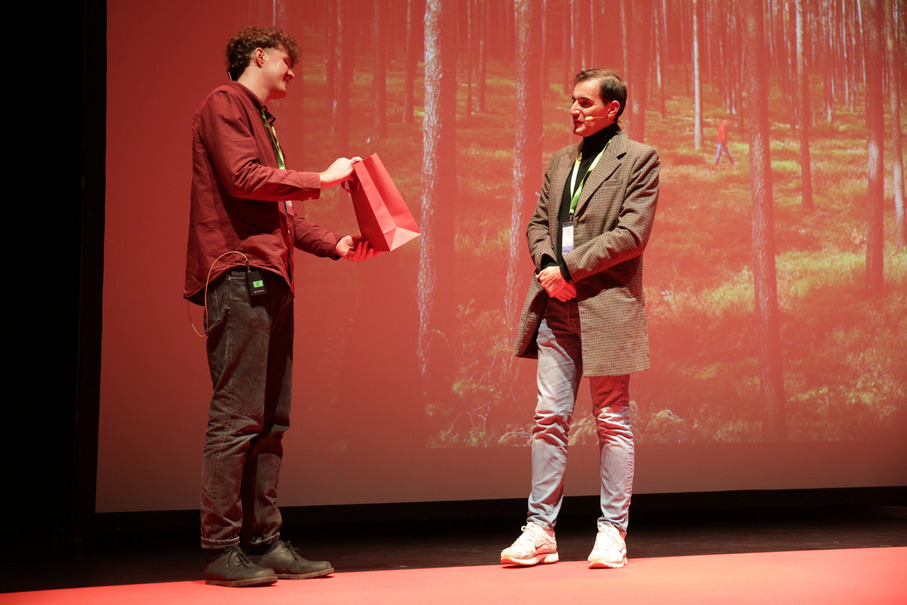
The Fritz Pölking Prize and the Fritz Pölking Youth Prize, which are awarded annually for a photographic project in cooperation with Tecklenborg Verlag, were also presented that evening, as was the Rewilding Europe Award in cooperation with the organisation Rewilding Europe, which honours outstanding achievements in photography with a focus on rewilding.
Interviews with the main prize winners can be viewed on the GDT's YouTube channel.
Exhibition opening
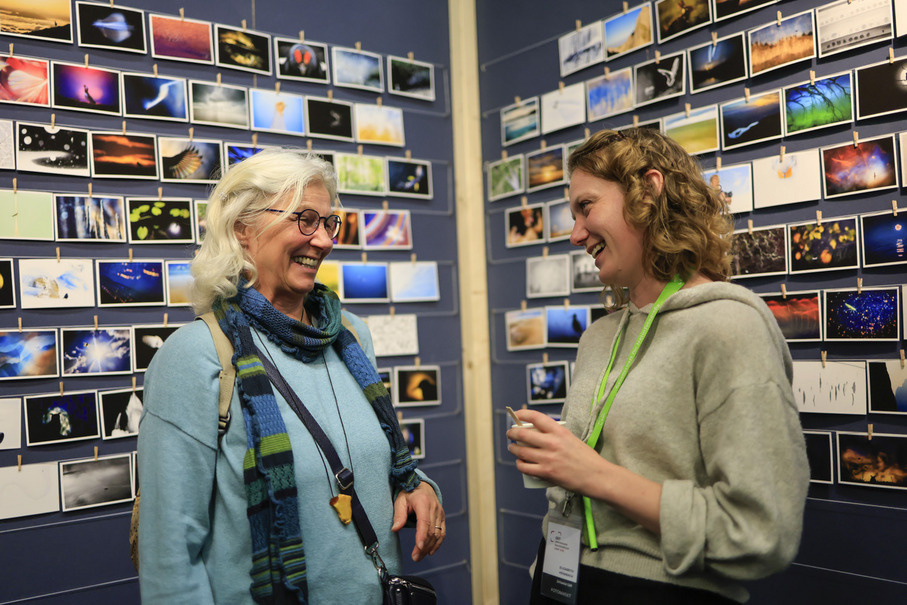
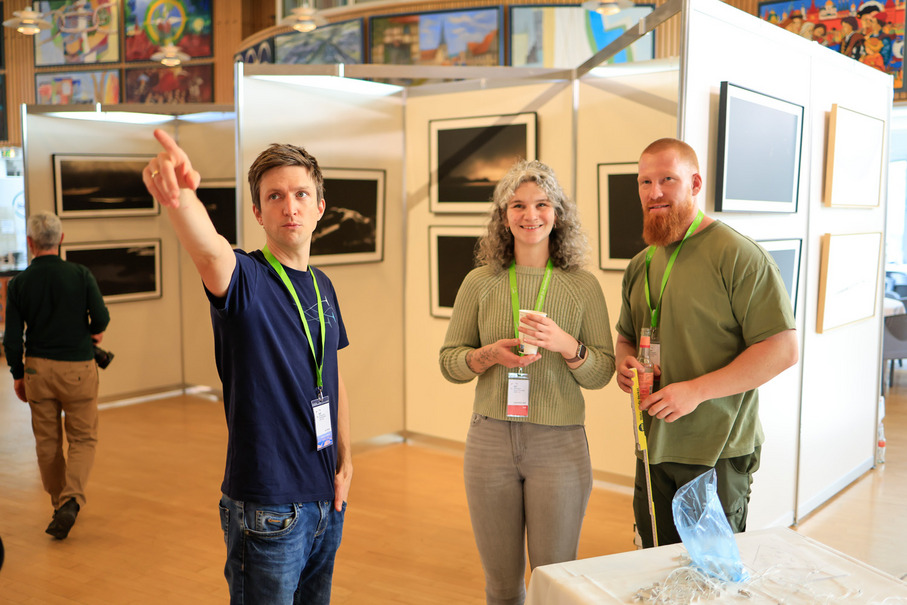
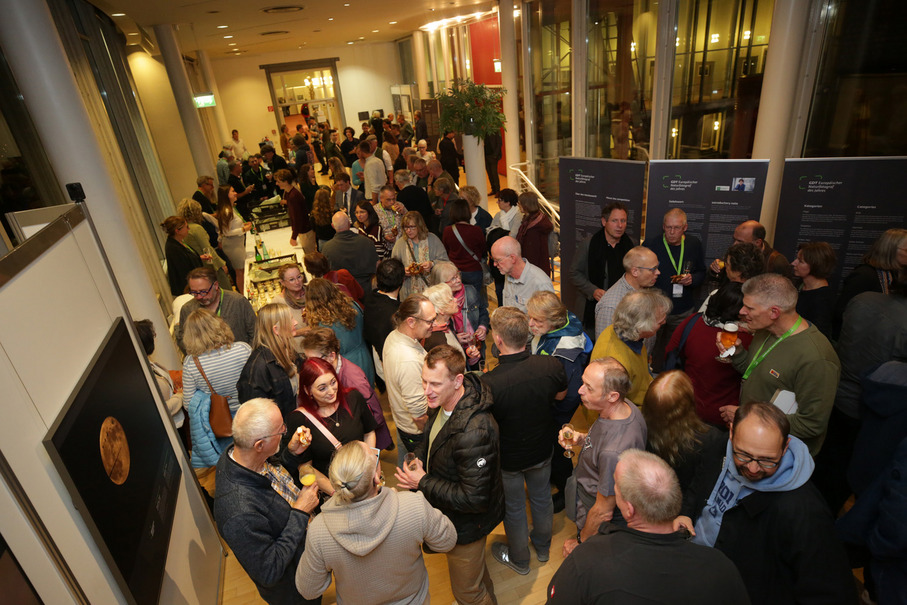
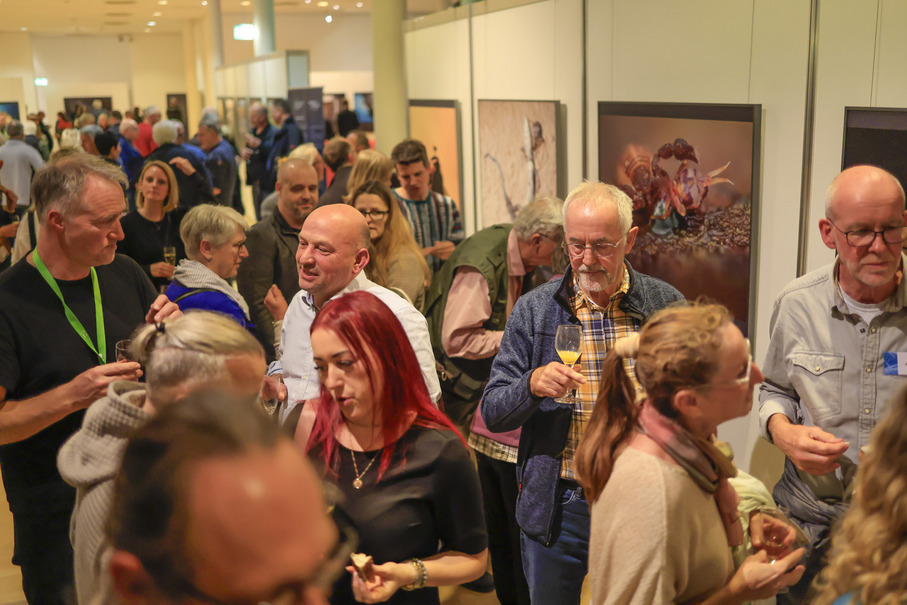
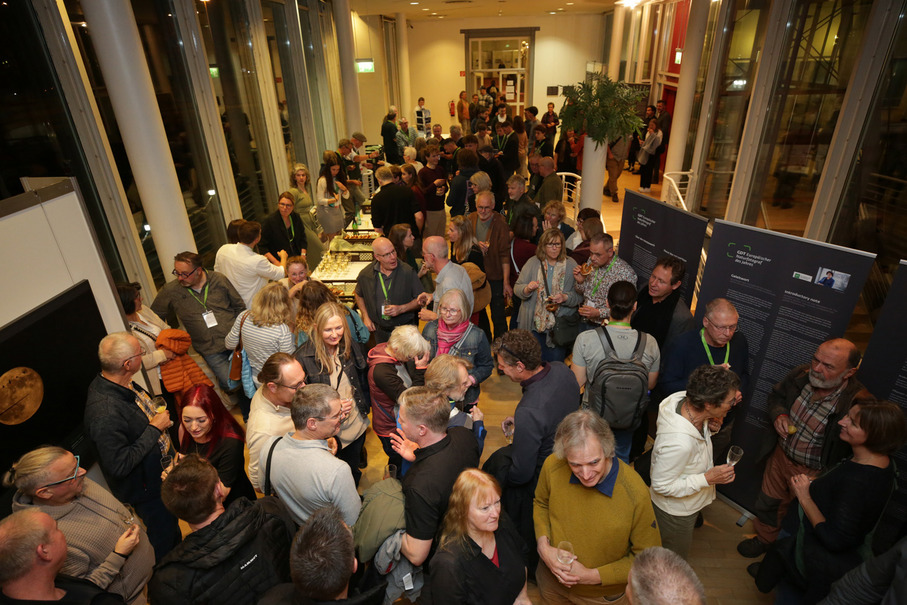
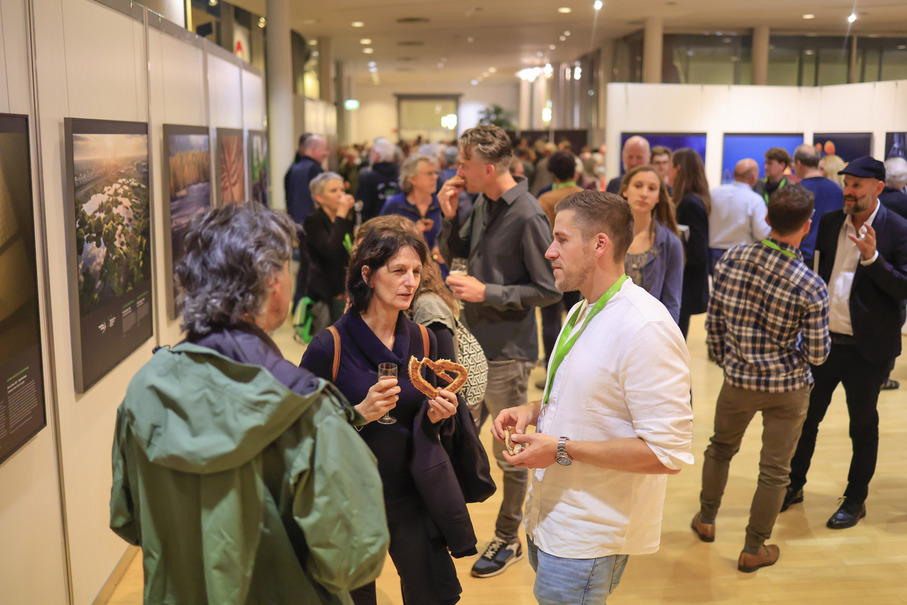
Many prize winners and visitors made their way to the gallery for the eagerly awaited exhibition opening. After the award ceremony, the exhibition featuring all the winning pictures will tour Germany and other European countries for three years. It will start at the German Horse Museum in Verden near Bremen, where the exhibition will be officially opened at the beginning of December 2025.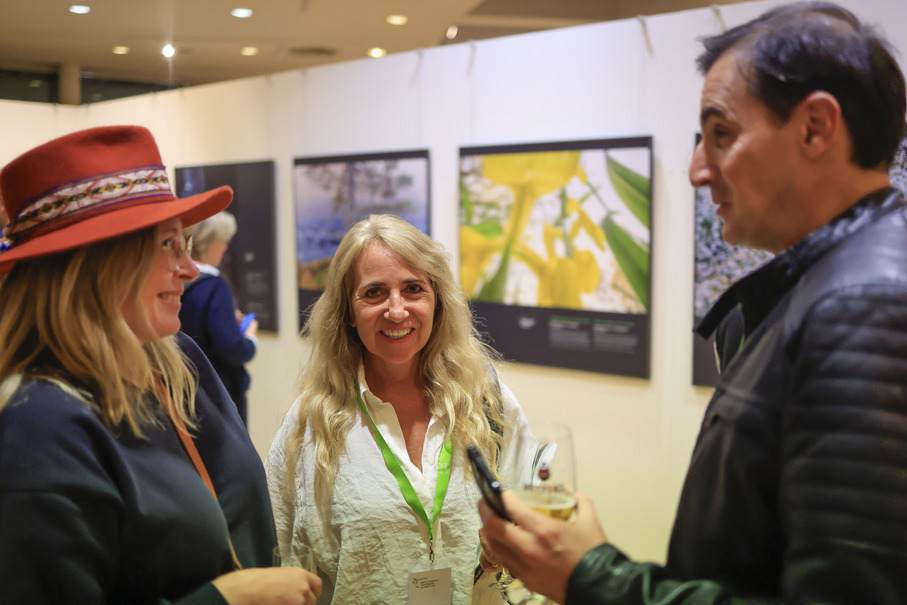
The speakers | Lectures and seminars
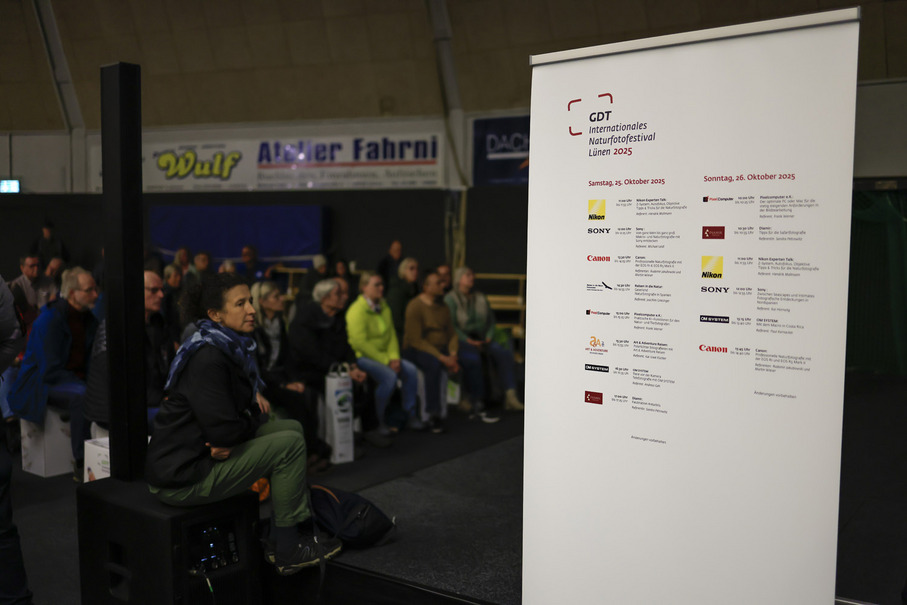
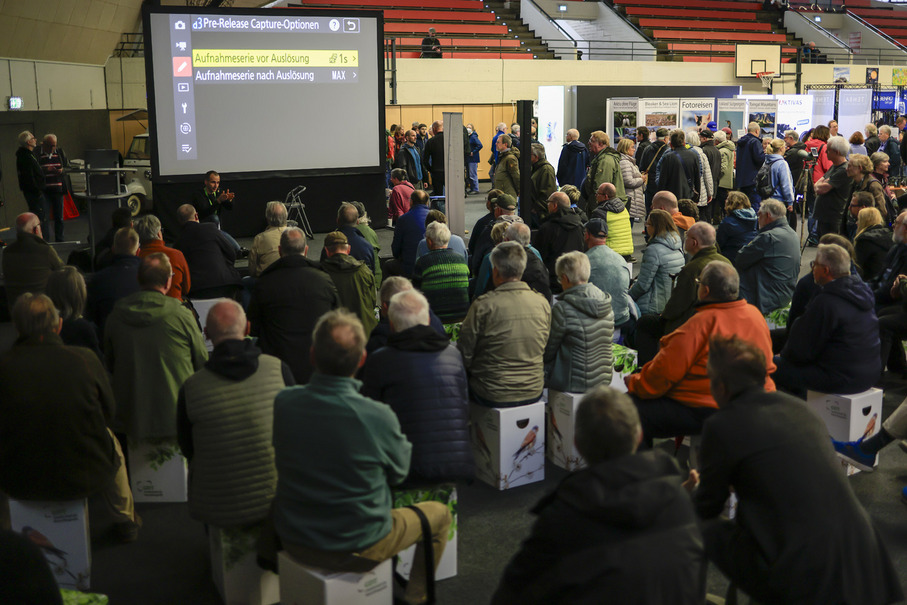
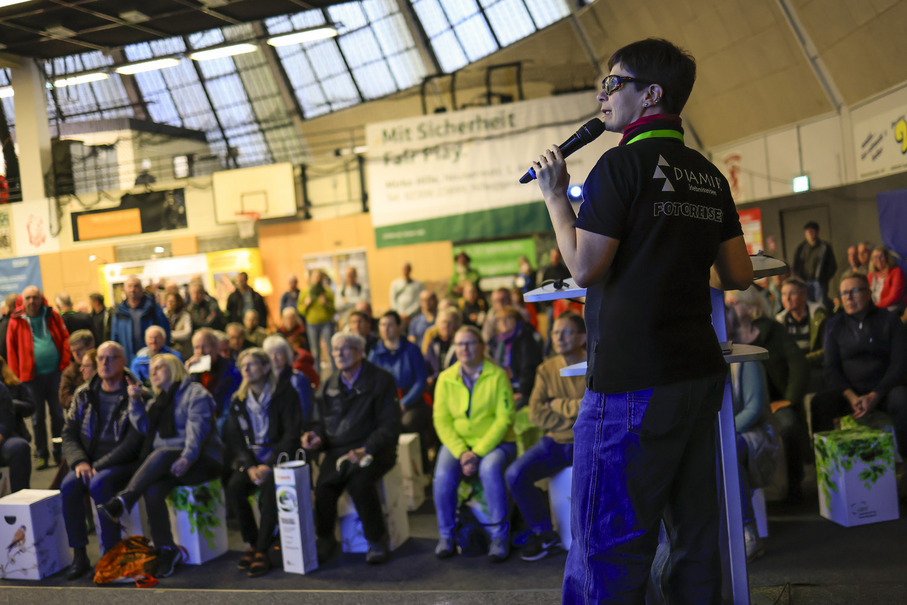
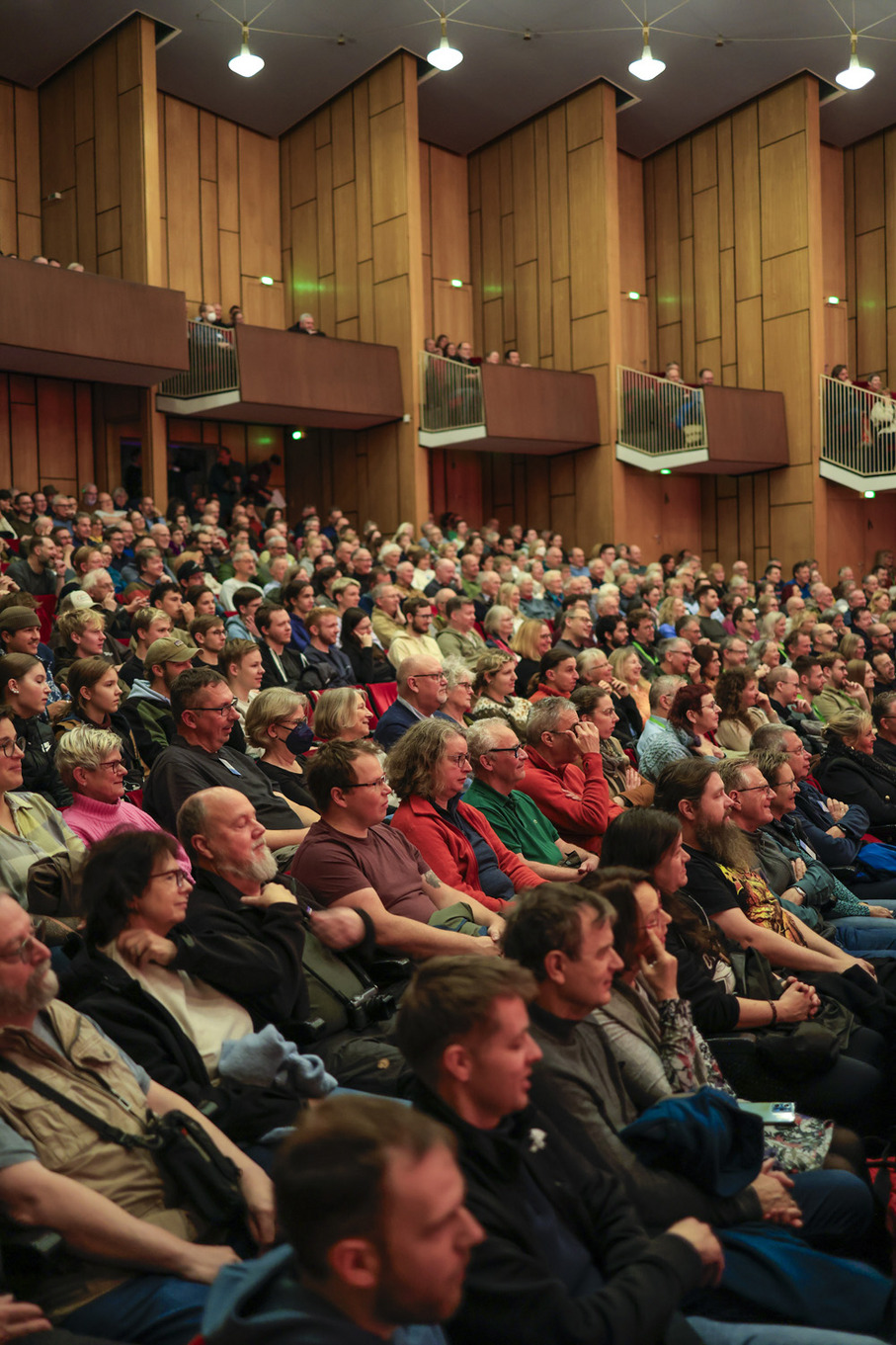
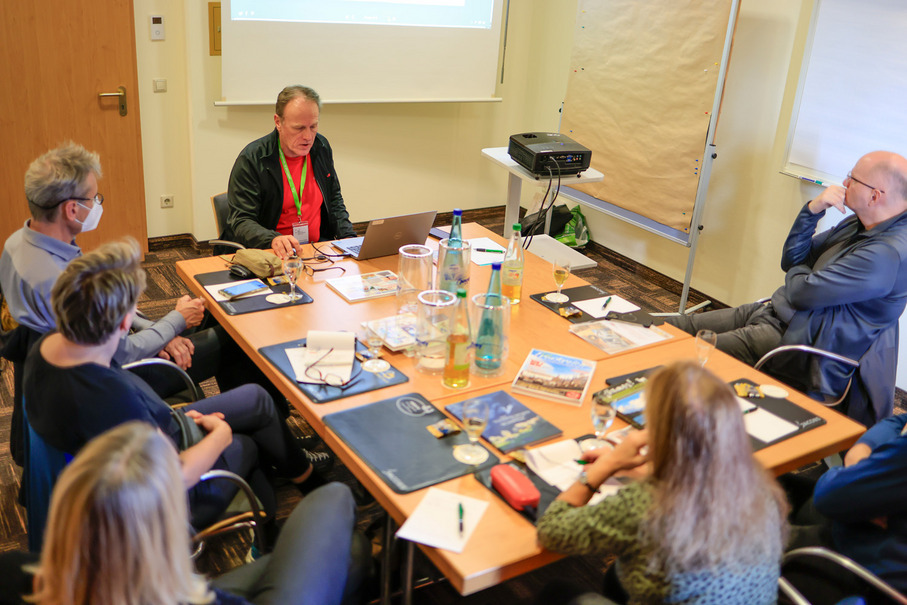
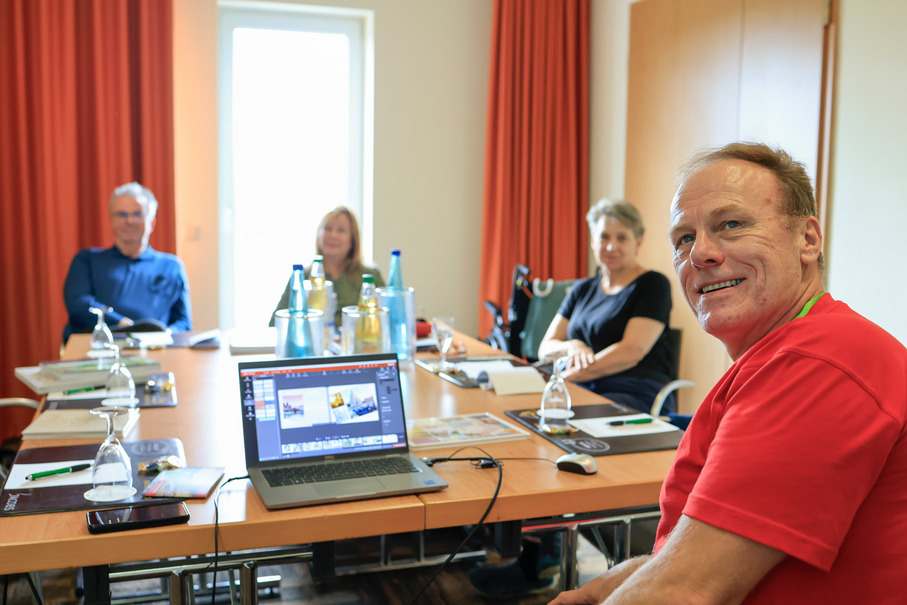
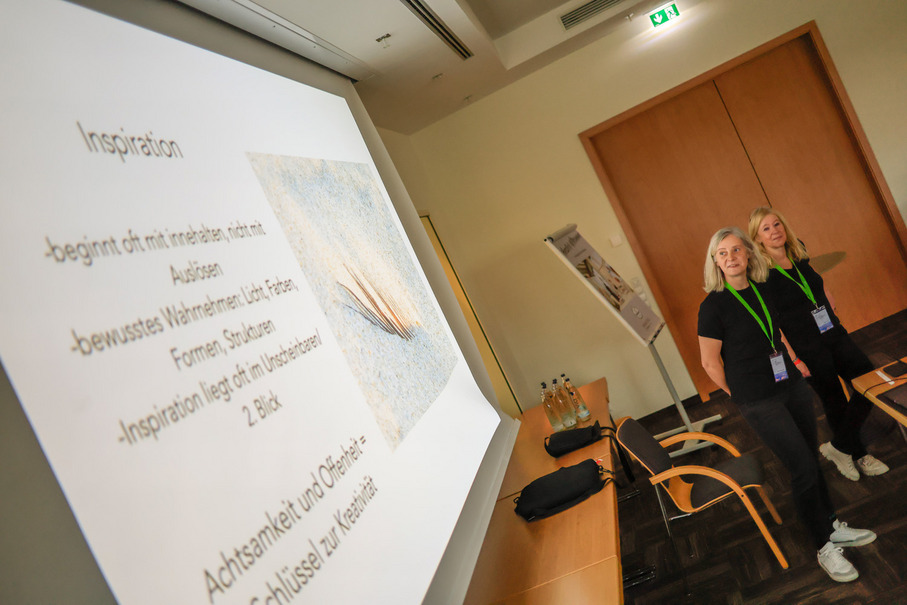
The brilliant seminars and lectures were once again a huge draw for the audience this year.
As always, our lecture programme explored the boundaries of photography:
Jan Piecha and Dominik Janoschka (both GDT) used Kassel as an example of a ‘raccoon capital’ to explore questions such as where raccoons prefer to live, what their habits are and what it means for people to have them as neighbours.
Animals are hunted, traded, eaten and exploited worldwide – and driven to the brink of extinction by human activity. Aaaron Gekoski, award-winning photojournalist and filmmaker, has been at the forefront of this crisis for almost two decades, documenting the reality of the conflict between humans and animals in some of the most inhospitable areas of our planet.
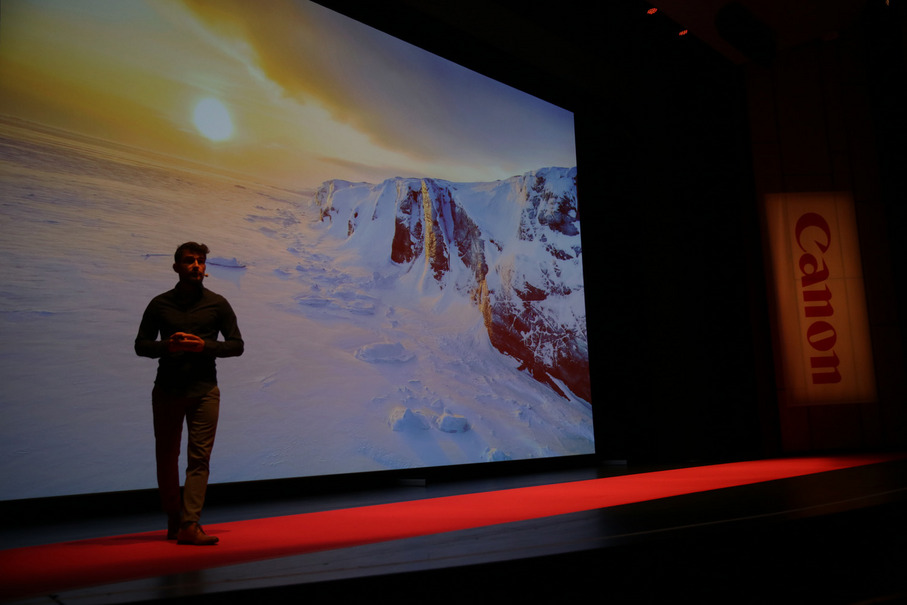
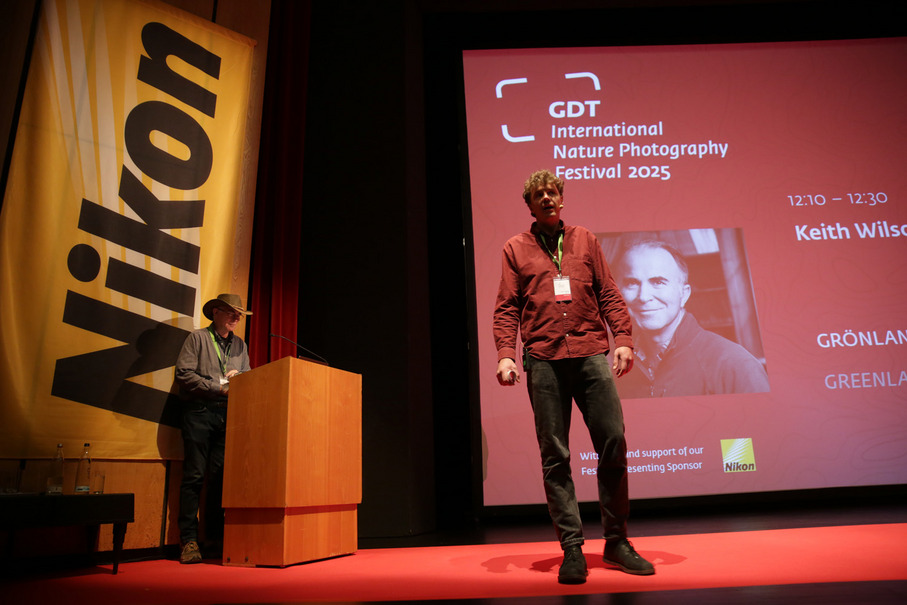
In 1988, Keith Wilson led two photographic expeditions to Greenland – to the south and south-east of the world's largest island. He documented the breathtaking landscapes and the small, mostly self-sufficient communities that lived on the ice-covered coast. These photographs remained unpublished for almost 40 years. Wilson presented Greenland as it once was, while also pointing out what is increasingly at risk due to the climate crisis and rising geopolitical tensions.
In his lecture, award-winning photographer Kai Hornung took us on his creative journey: from spectacular, dramatic landscape photographs to quiet, intimate images that are just as meaningful to him personally. It is a path of letting go of external expectations and turning to one's own photographic voice.
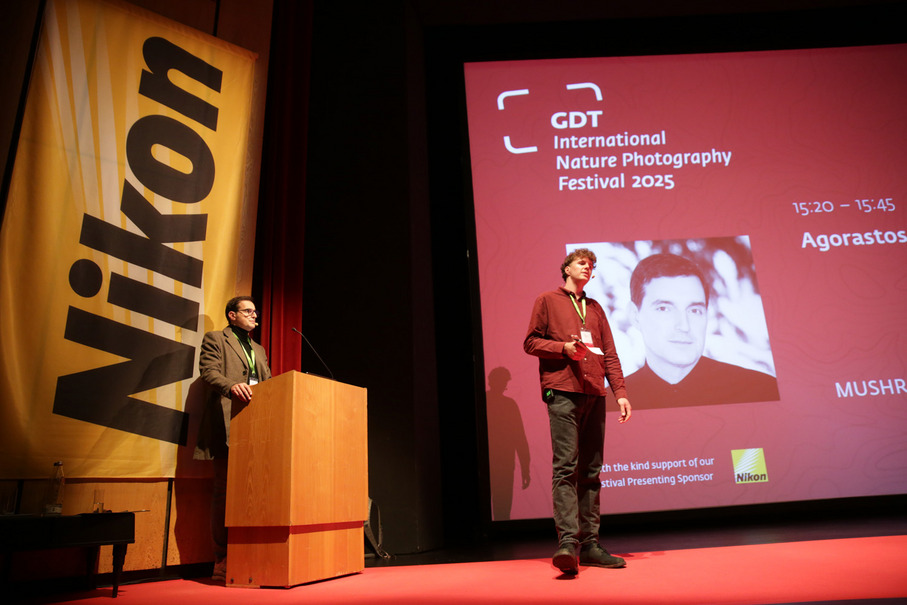
For Agorastos Papatsanis, mushrooms are a symbol of imagination, ‘visual stimuli’: a fairy tale, an idea and a mystery full of shapes, colours and myths. In his lecture, he showed mushrooms in their natural environment from a slightly different angle, with a touch of magic that underlines their fairy-tale nature.
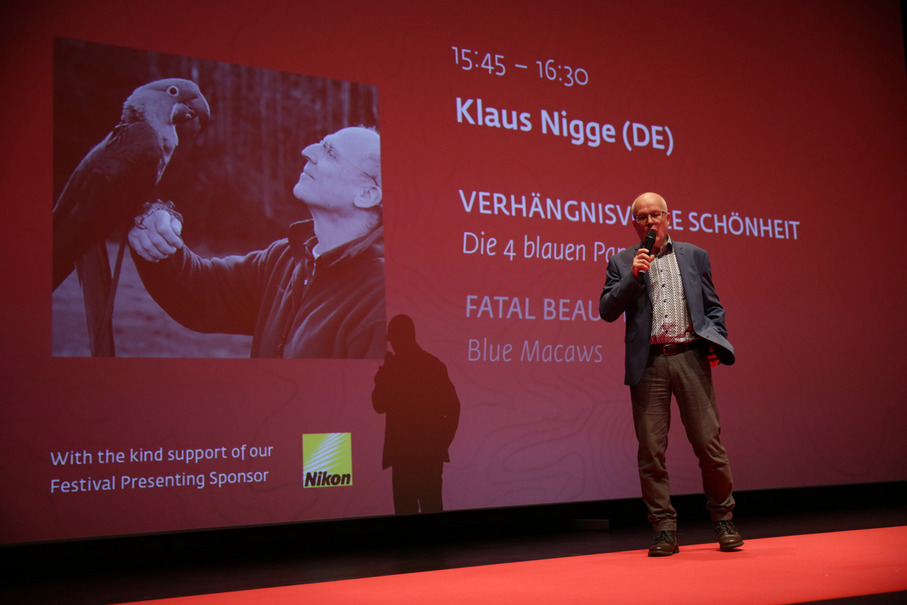
There are, or rather were, four species of blue parrots in the world, all native to Brazil. They are all beautiful, which is why many people sought to keep them in cages in their homes. Klaus Nigge showed us not only the well-known hyacinth macaw, but also the cinematic story of the rarest of all macaws, the Spix's macaw, and the Lear's macaw, which was rescued at the last minute. Today, the green macaw can only be found in a few dead specimens in the cardboard boxes of some natural history museums. The film dealt with the animal trade and the destruction of habitats, but also with the incredible efforts of individuals to save these birds. And last but not least, it dealt with the beauty of these animals in their natural habitat.
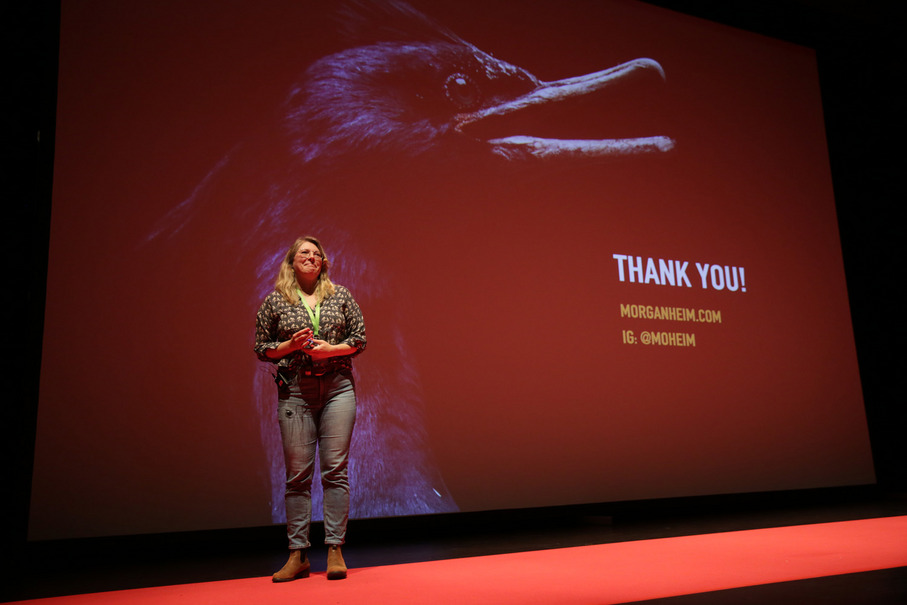
On a remote island in Alaska, nature is reclaiming the ruins of war. Morgan ‘Mo’ Heim reported on a remote part of Alaska, an abandoned military base that now serves as home to thousands of seabirds and the scientists who study them. In a landscape that resembles a post-apocalyptic video game without zombies, scientists are discovering that seabirds may be the key to understanding the effects of climate change on marine ecosystems.
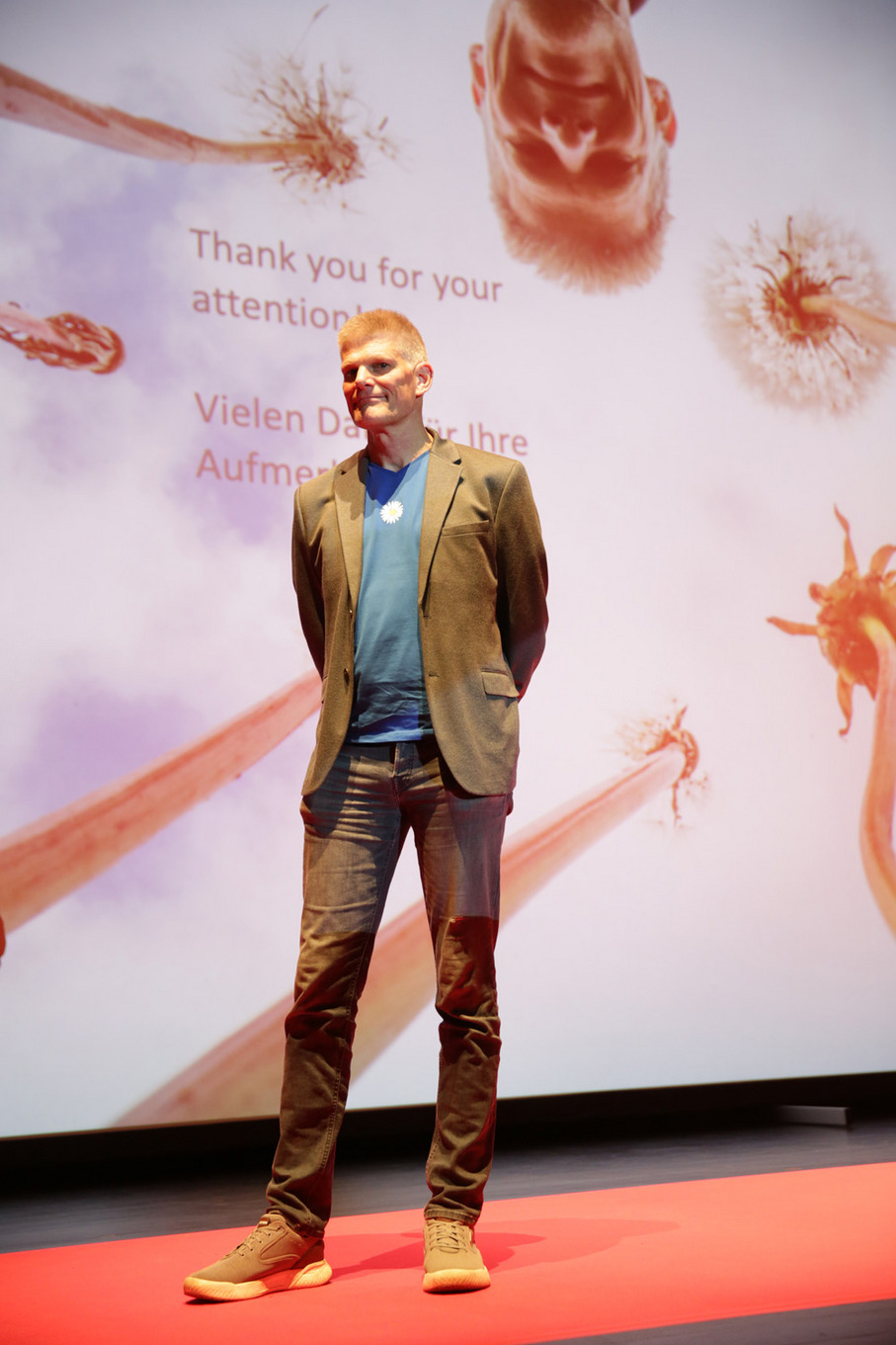
With his Flowerscapes project, Theo Bosboom opened up an unusual view of the world of wildflowers. Using a special wide-angle macro lens, he photographed plants from the perspective of insects and showed how familiar motifs could appear completely new as a result. In his lecture, he explained his vision of contemporary plant photography and the technical approach behind the photographs. Bosboom also addressed the sharp decline in wildflowers and insects in Western Europe, as well as current positive developments in his home country, the Netherlands.
Regions in focus – diversity between meadows, forests and rivers
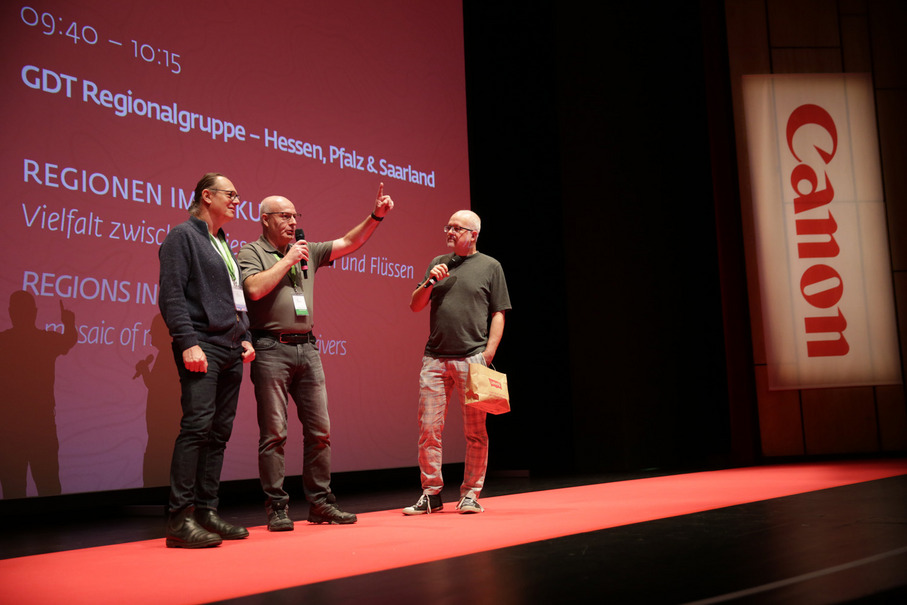
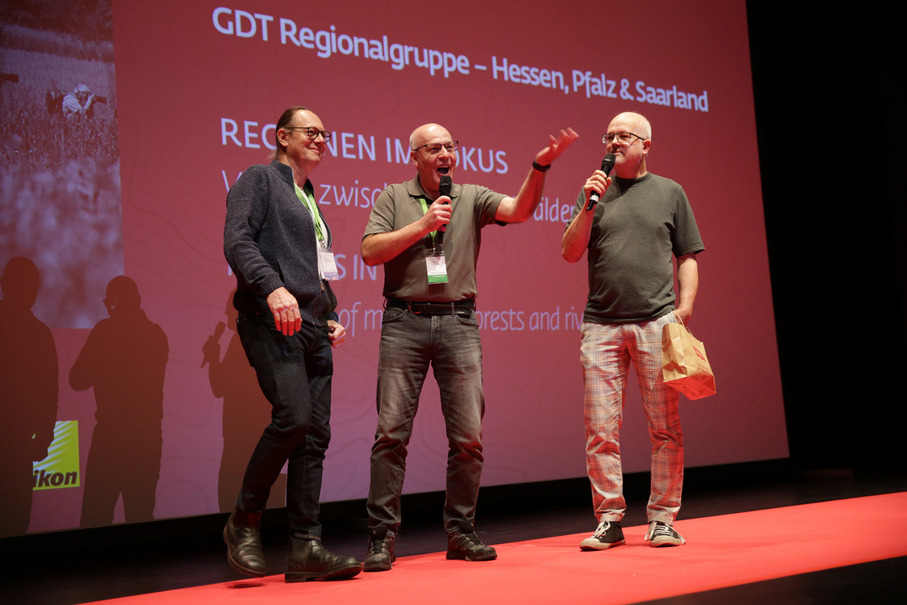
The GDT Regional Group 6 – Hesse, Palatinate and Saarland opened our eyes to a region whose scenic richness is often underestimated. Between Frankfurt and Luxembourg, surprisingly diverse natural areas unfold: urban oases in Hesse, bright vineyards in Rheinhessen and the Palatinate, mist-shrouded forests in the Hunsrück and Eifel, and creative, unusual perspectives of the Saarland. In characteristic photographs, quiet observations and artistic experiments come together. Colours, shapes and lighting moods tell of the uniqueness and beauty of these landscapes.
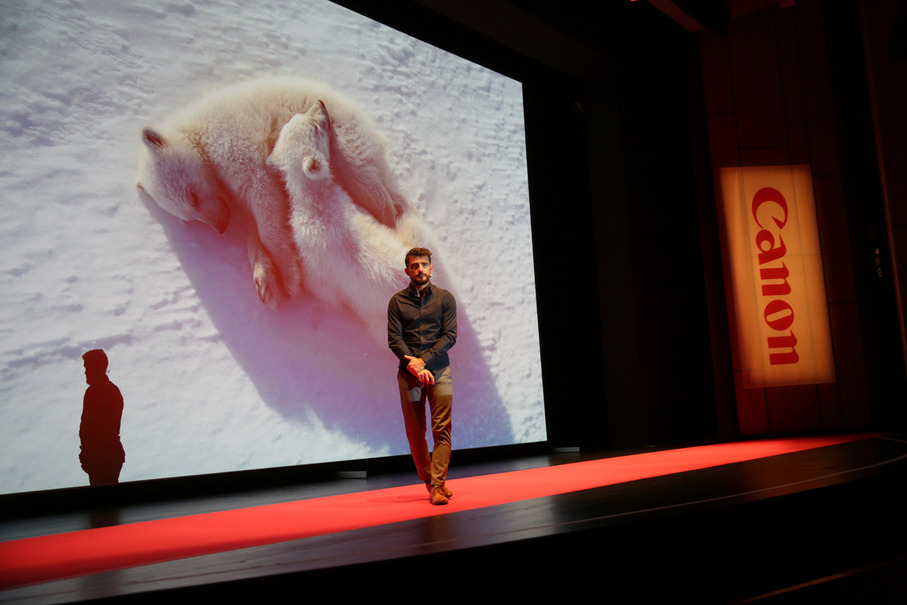
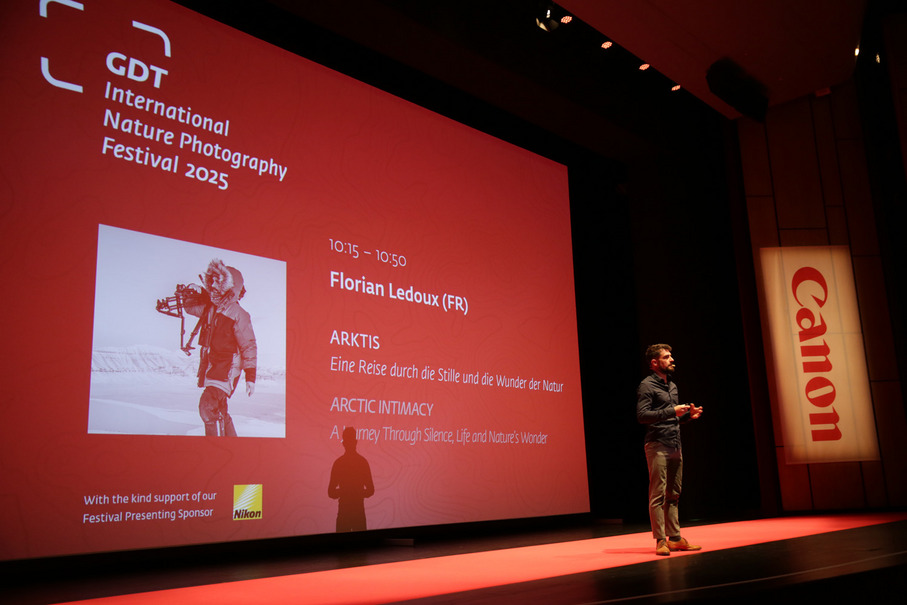
Florian Ledoux sees his camera as an extension of his heart and soul. His passion is the Arctic. In his lecture, Ledoux showed unprecedented moments from the life of polar bears and invited his audience to accompany him on his emotional journey through the far north.
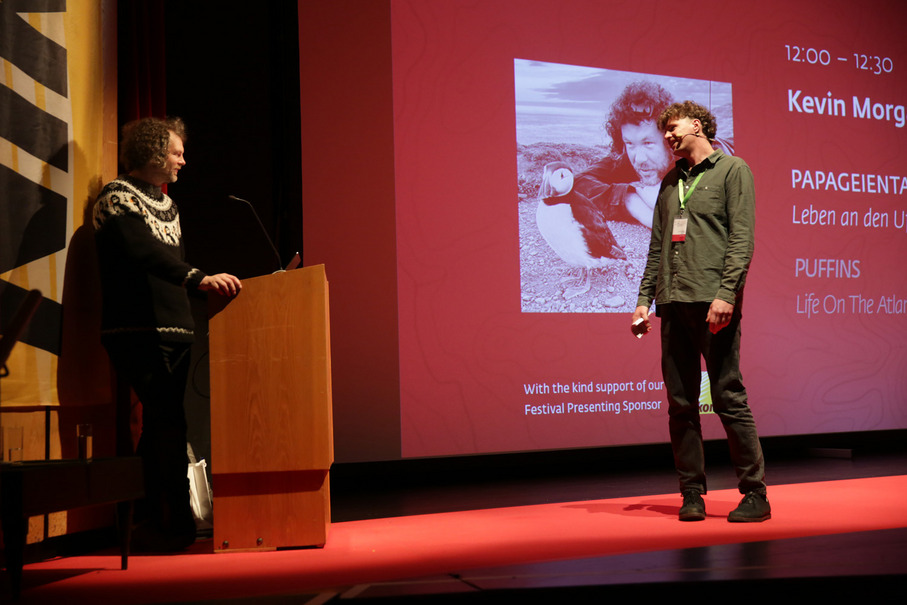
Kevin Morgan is passionate about Atlantic puffins. His enthusiasm for these charismatic seabirds has grown beyond a mere photography project – protecting seabirds and their habitats is now Kevin's main motivation for photography. Puffins – Life on the Edge of the Atlantic is a visual spectacle that celebrates the life of these fascinating birds in all its facets.
In their contribution Forest in the North Wind, Ritva Kovalainen and Sanni Seppo, both from Finland, described the dialogue between humans and living forest landscapes. They showed how calm image compositions create the impression of movement – as if the forest were flowing and touching people with its spiritual power. They showed the timeless connection between humans and trees and revived aspects of ancient myths in the present day.
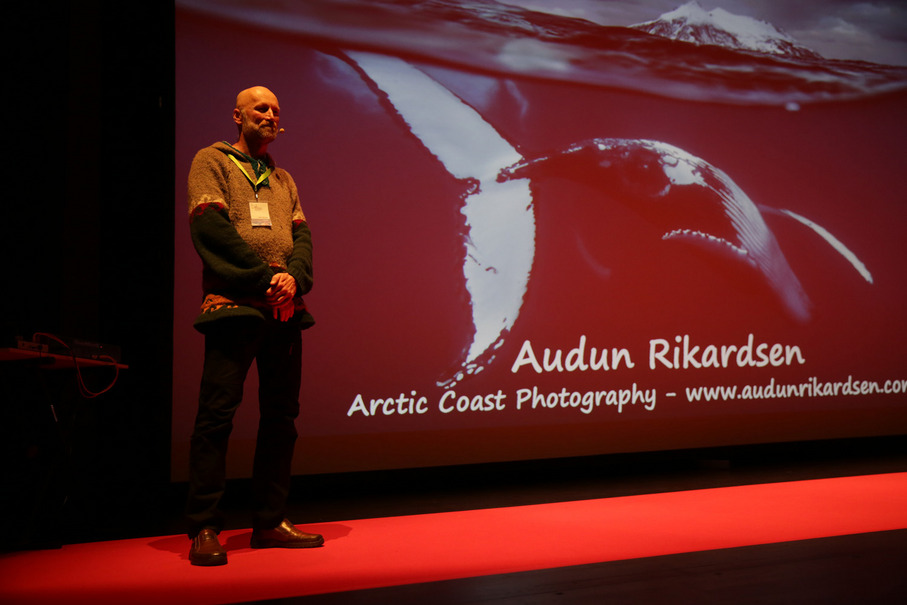
A fjord near Tromsø in northern Norway: it is early January, and as a fishing trawler hauls in its nets, a pod of killer whales tries to get its share. Extreme cold and high humidity create an almost magical fog over the sea. Audun Rikardsen's boat, his camera and even he himself are covered in ice crystals, making photography a real challenge. With his photographic projects, Rikardsen documents the major changes within the marine ecosystem of his homeland that have been taking place during the winter months for several years now.
The landscape as a mirror of our soul. True to this motto of the Romantic landscape painters, Markus Stock, a German musician and photographer, is drawn to the forests and moors of his homeland, the Rhön. Here he finds the unspoilt, mystical backdrop that he captures in photographs and which also serves as inspiration for his music. ‘When I write music, I see images in my head that later manifest themselves in my photographs.’ This mutual inspiration between image and sound was the central theme of Markus Stock's lecture.
The exhibitions in the picture gallery and our outdoor exhibition
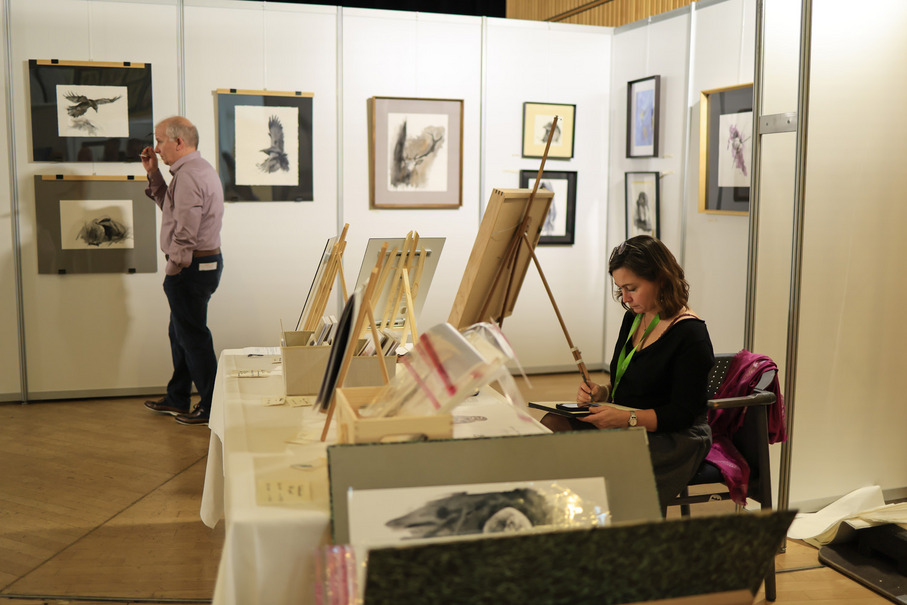
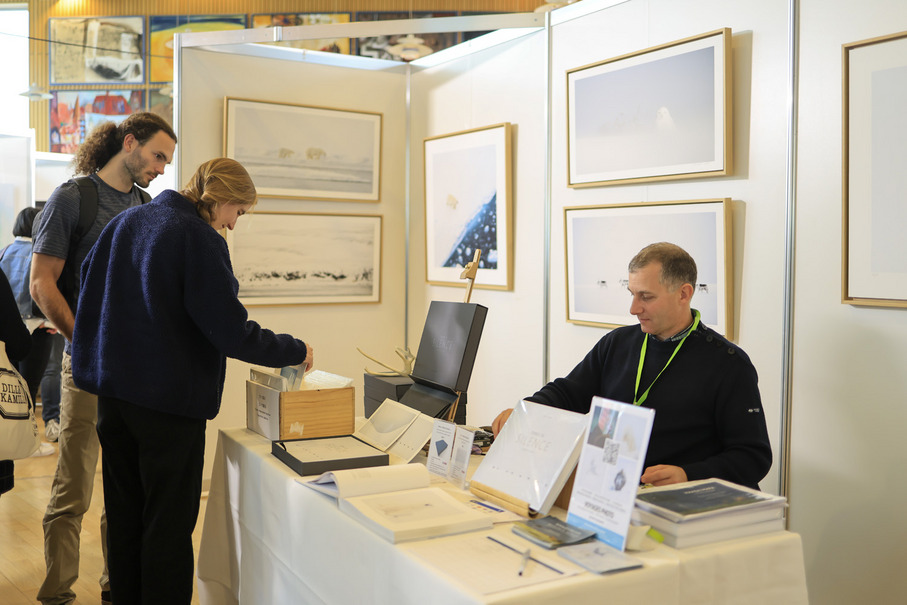
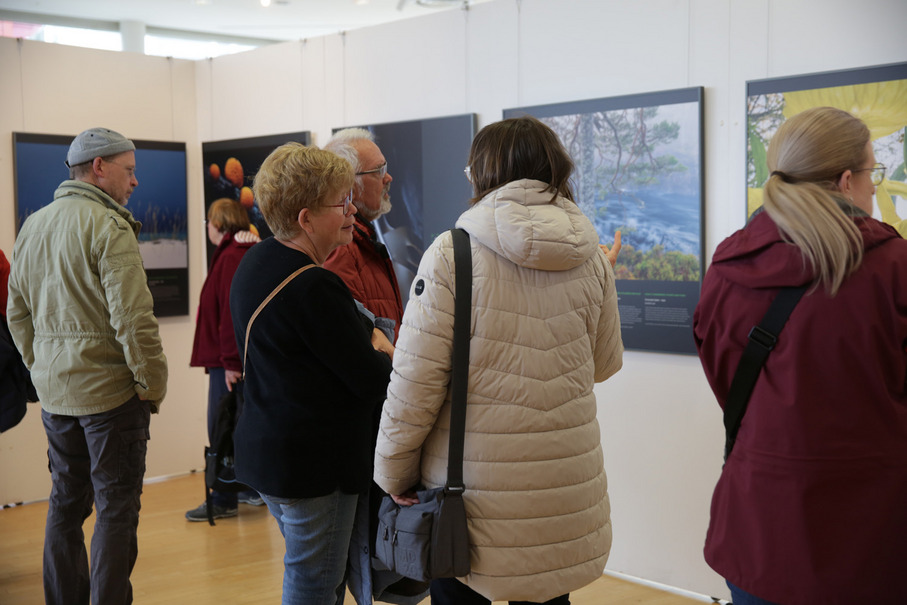
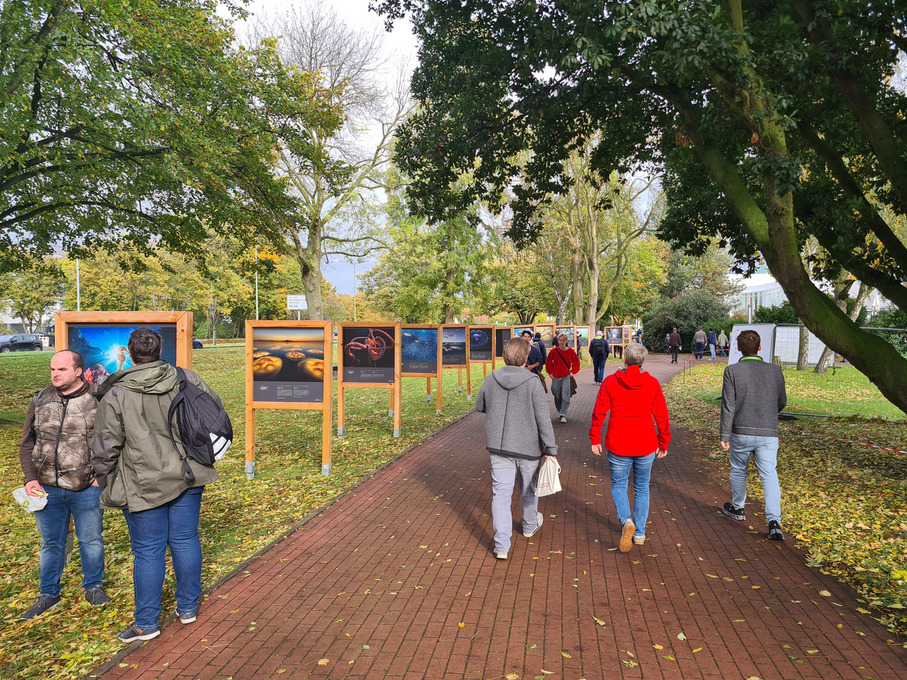
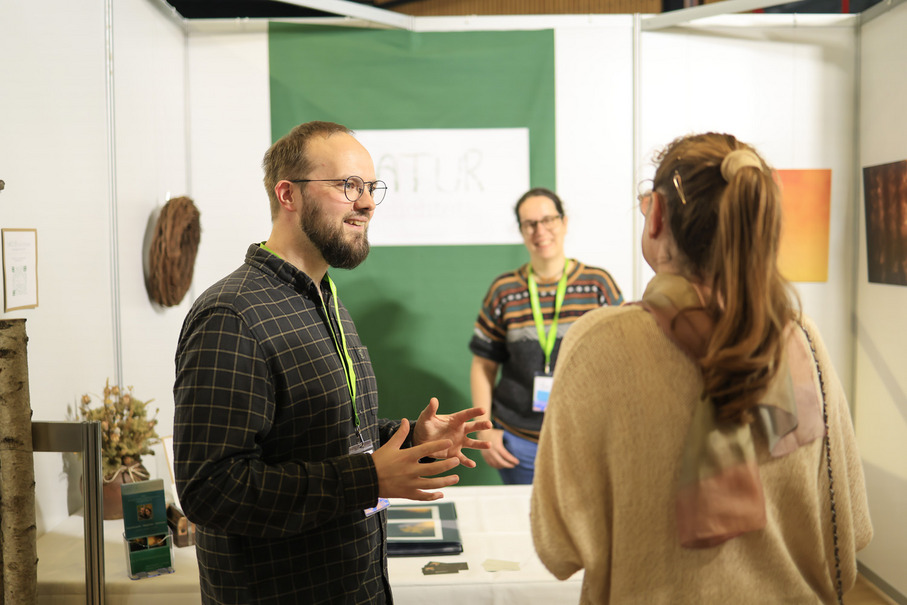
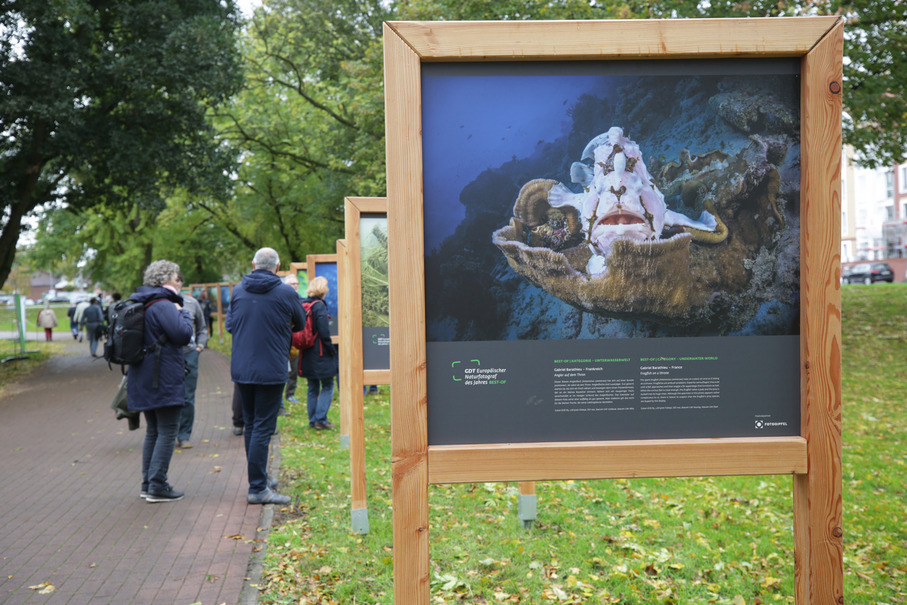
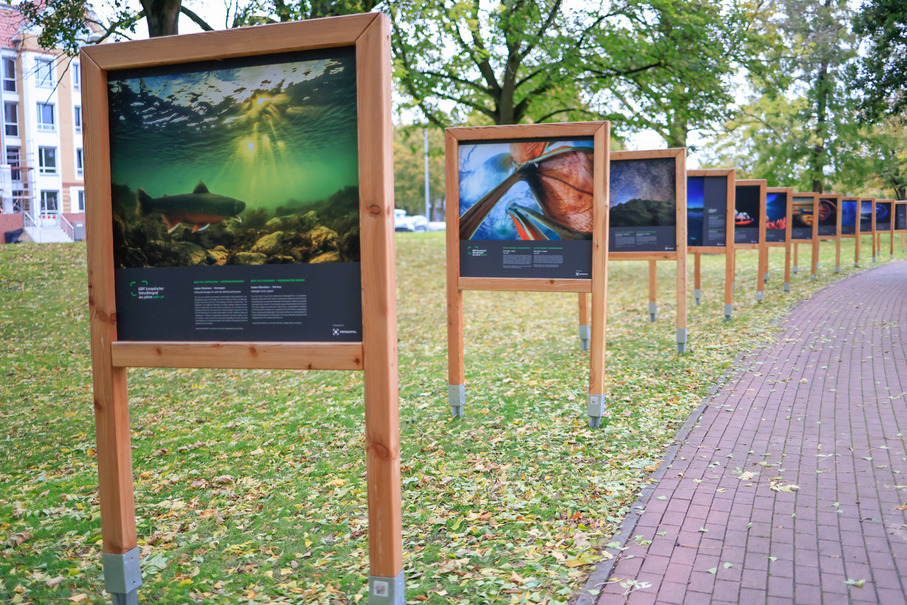
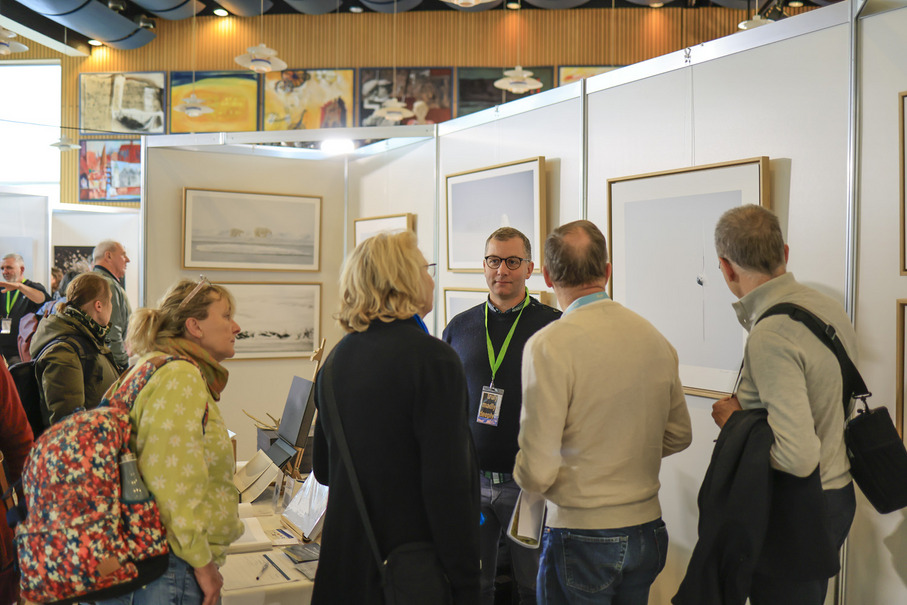
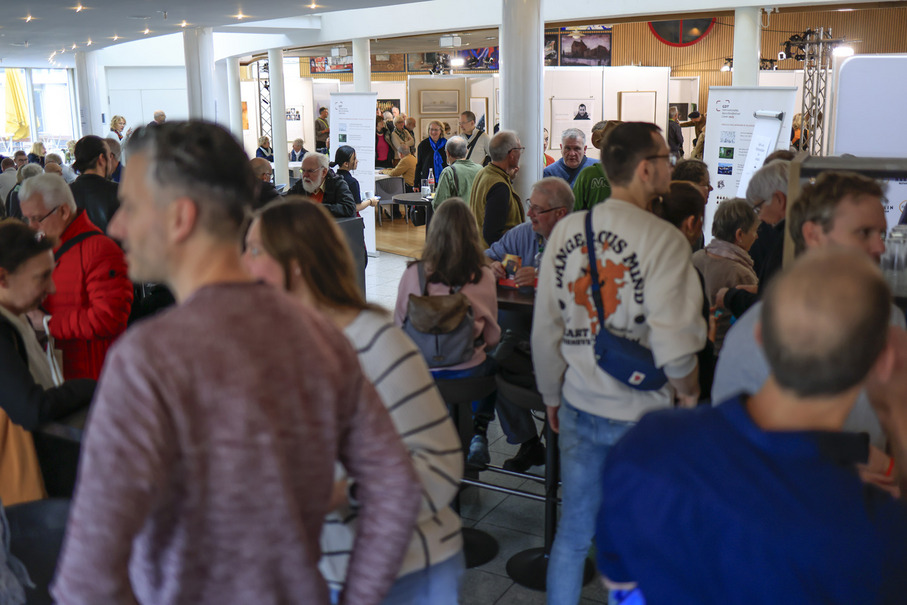
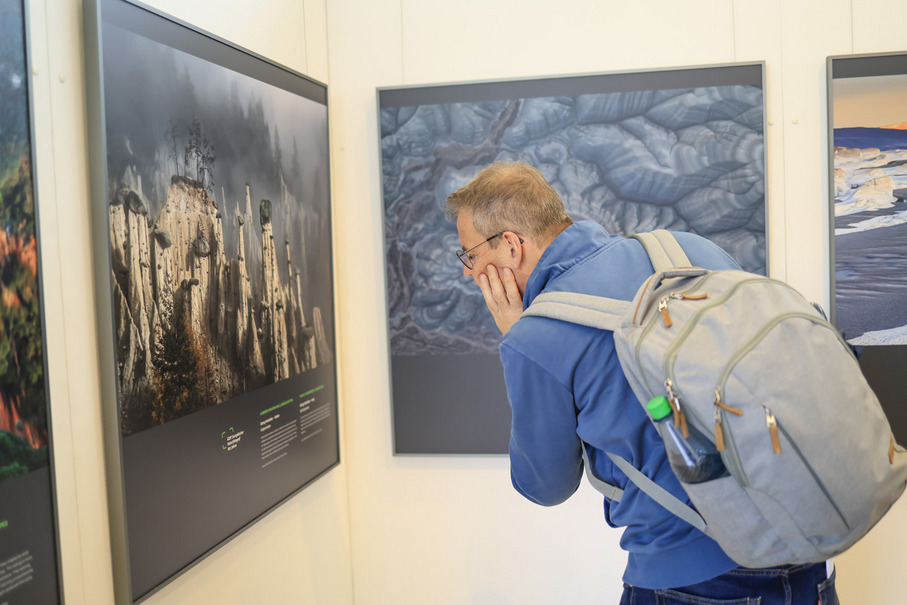
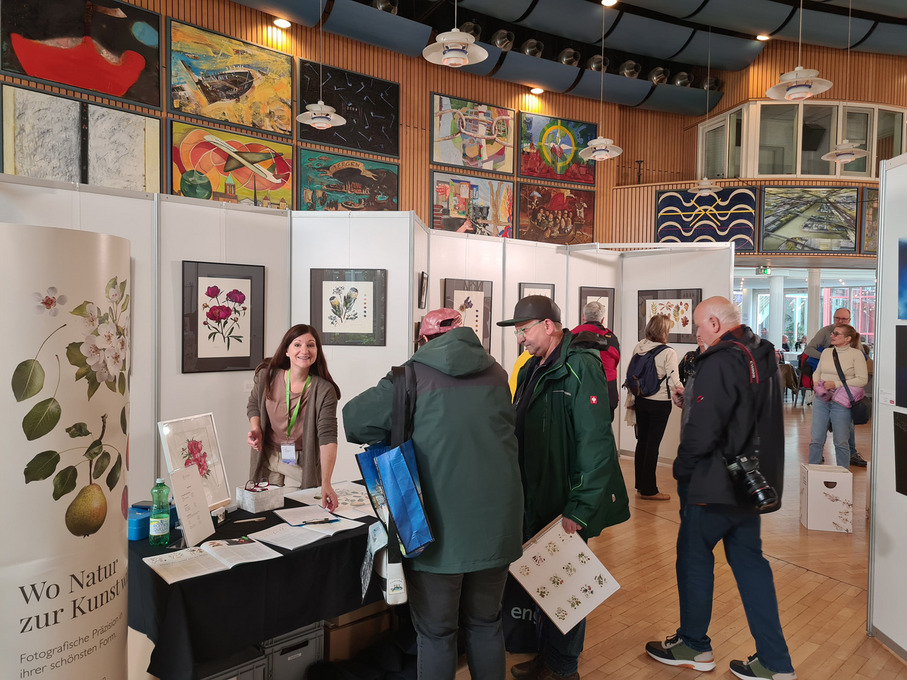
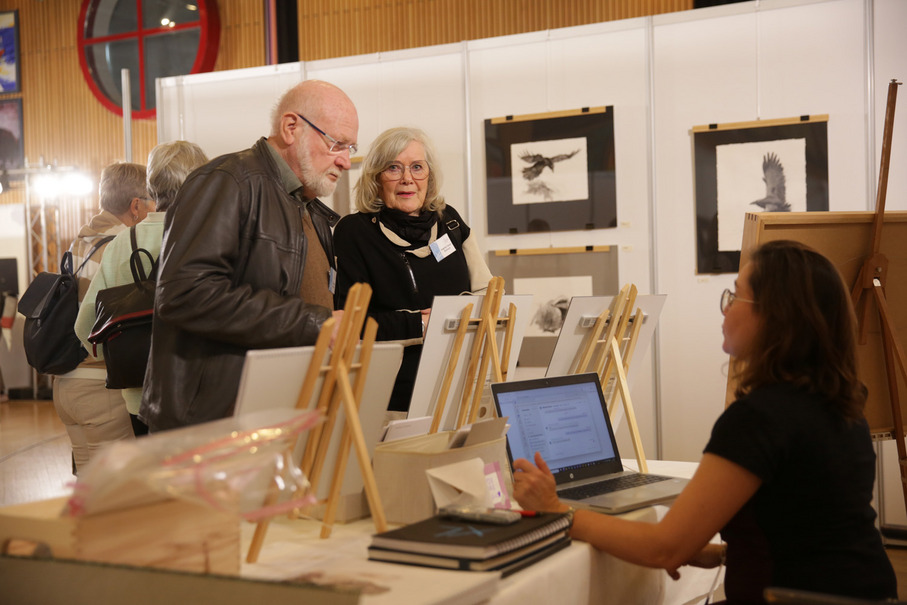
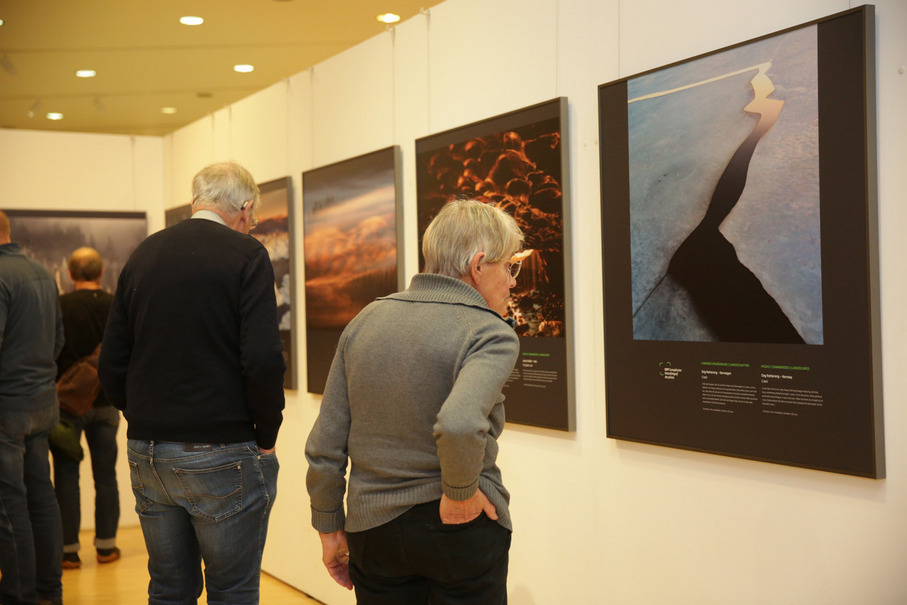
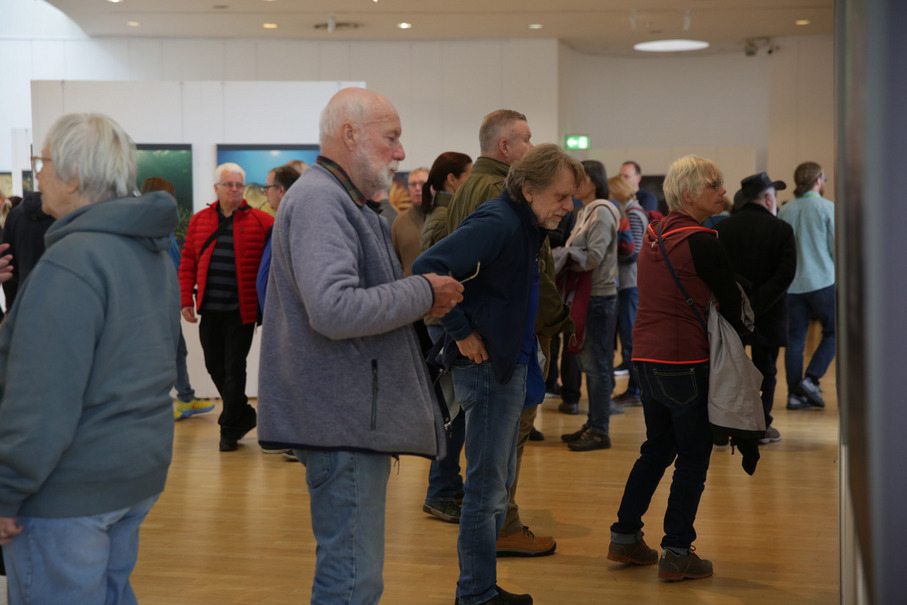
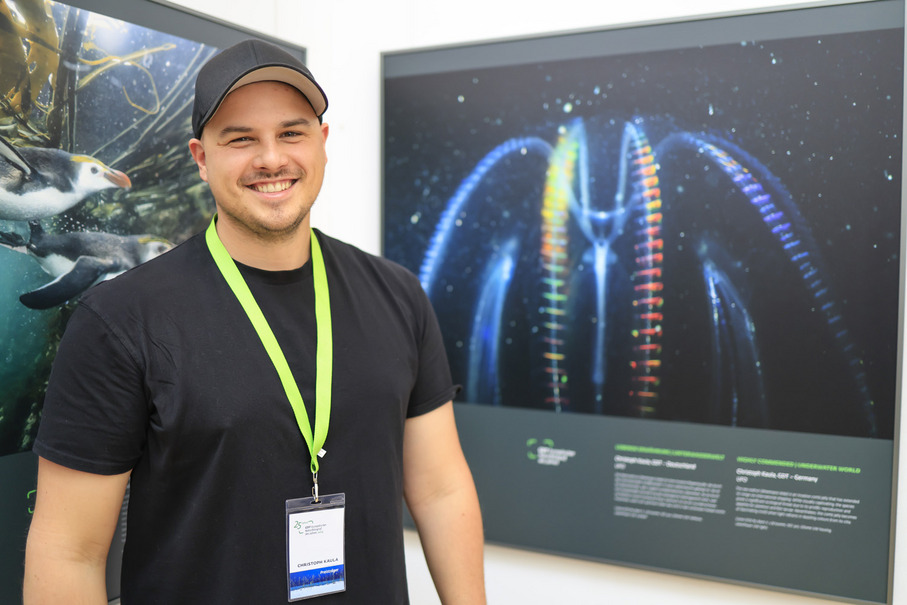
Photo market and Check&Clean
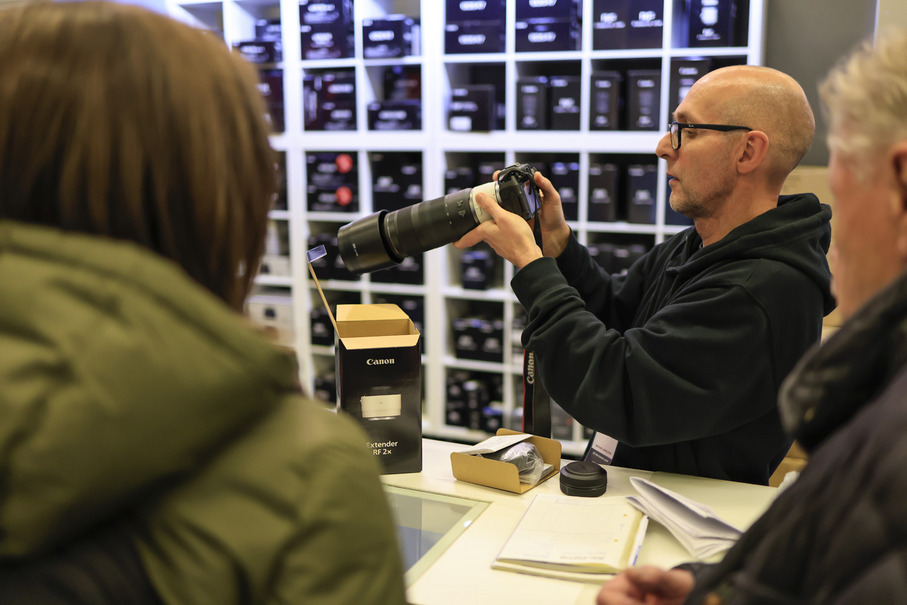
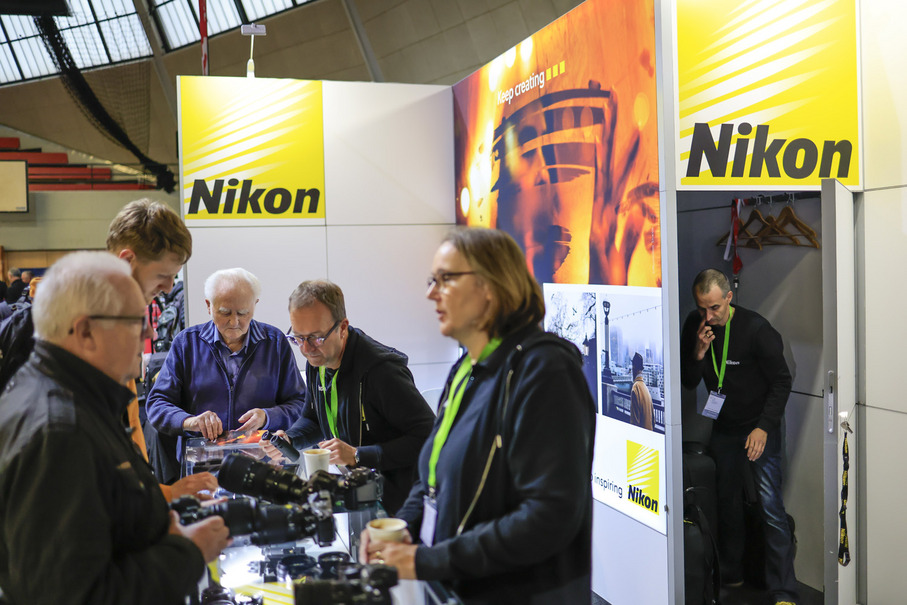
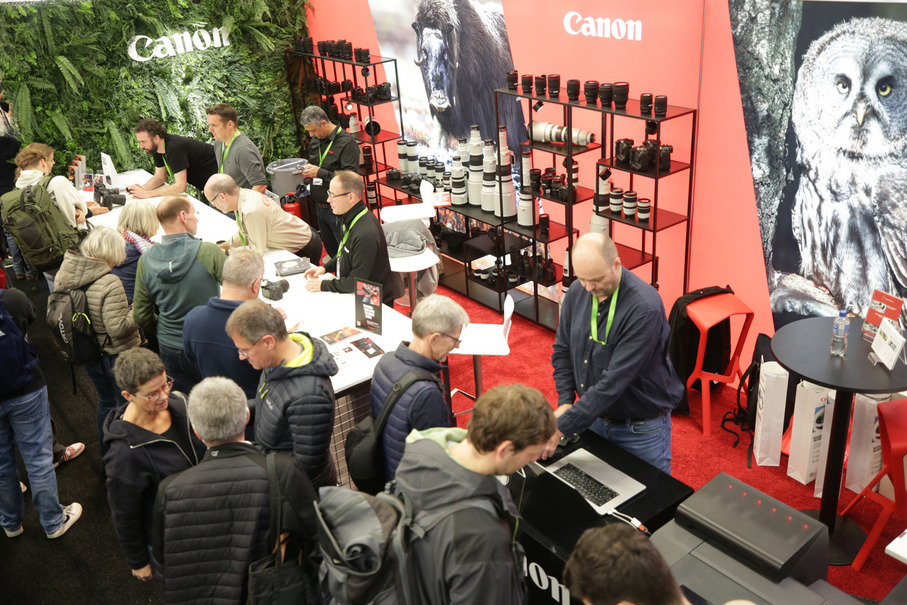
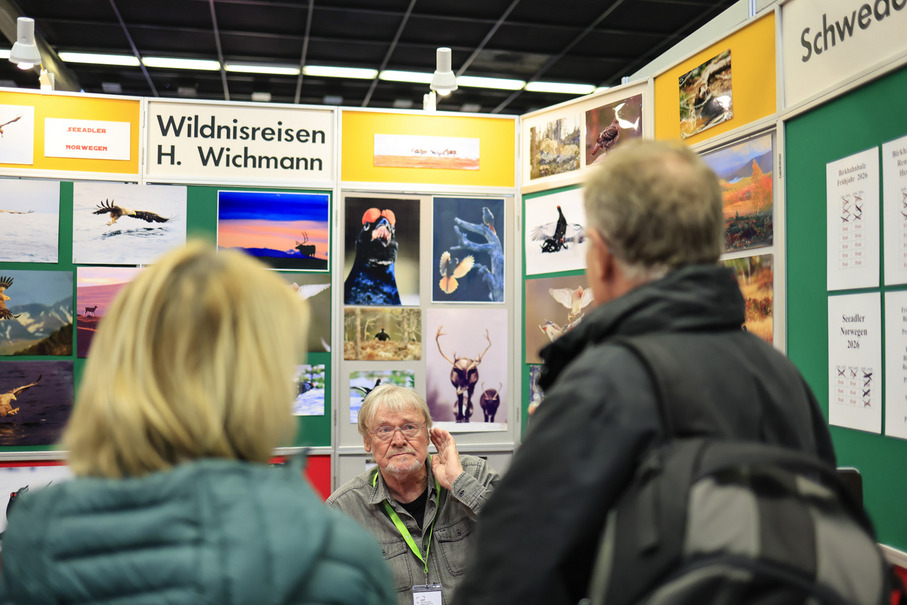
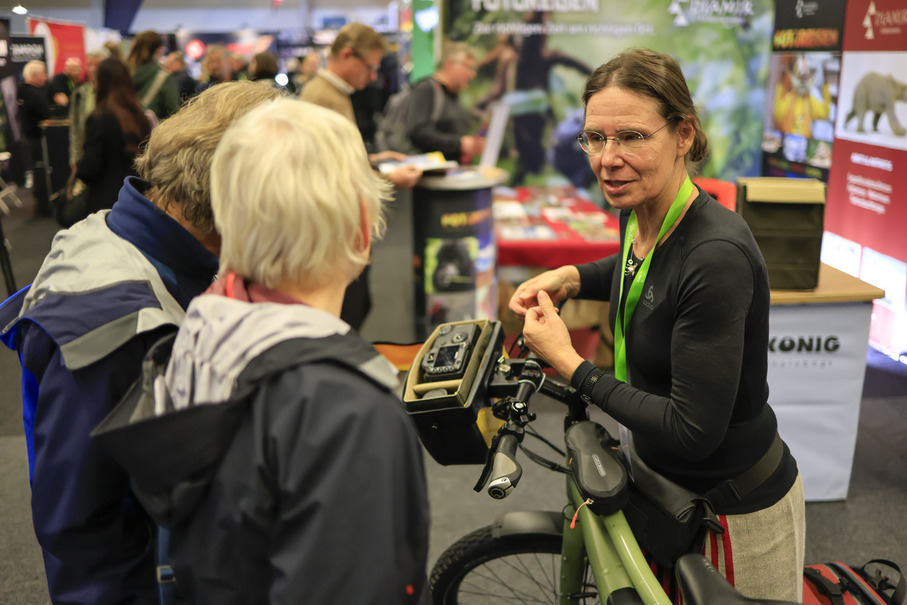
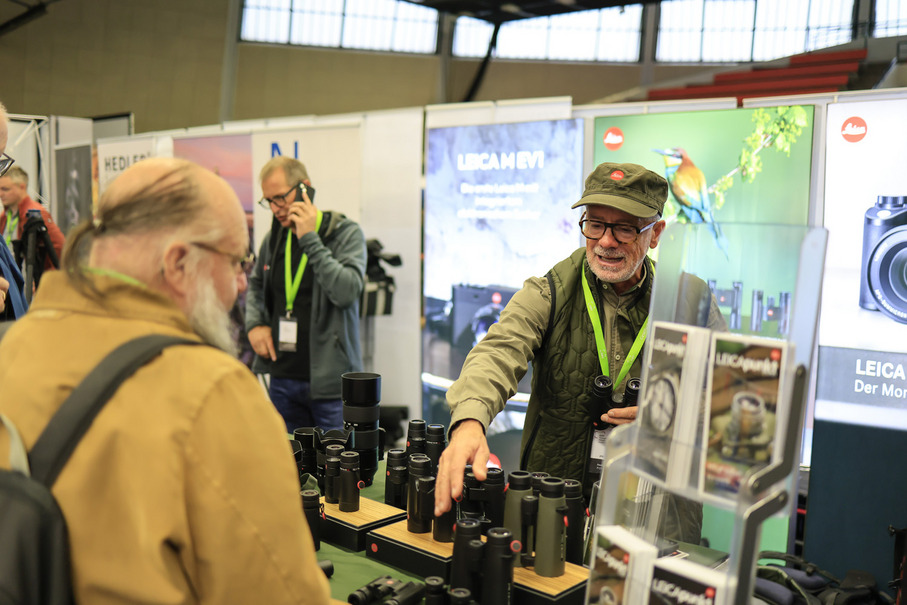
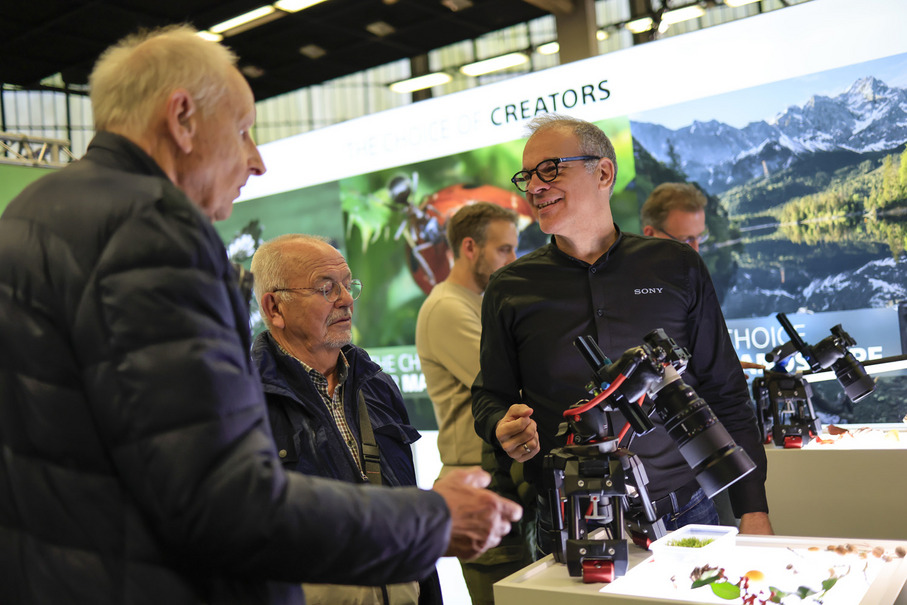
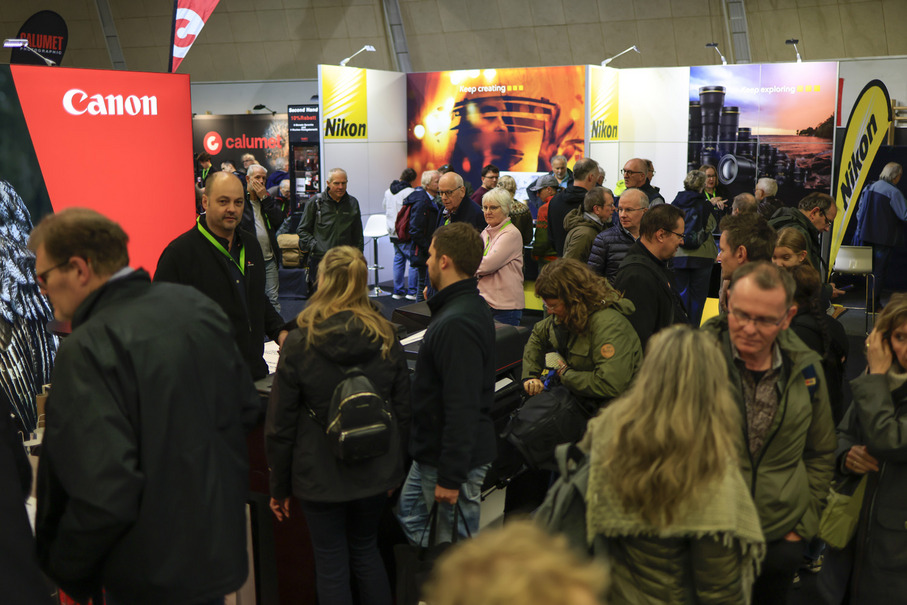
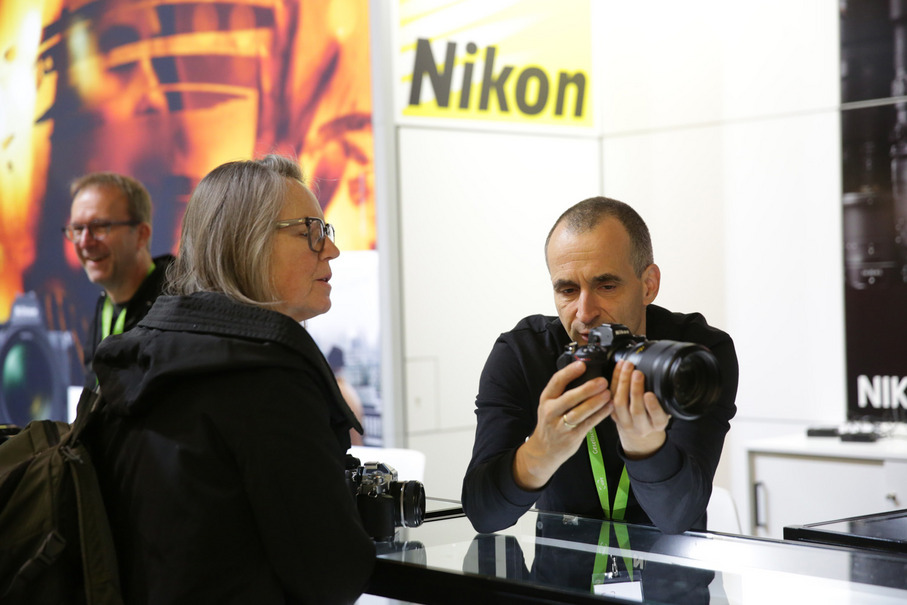
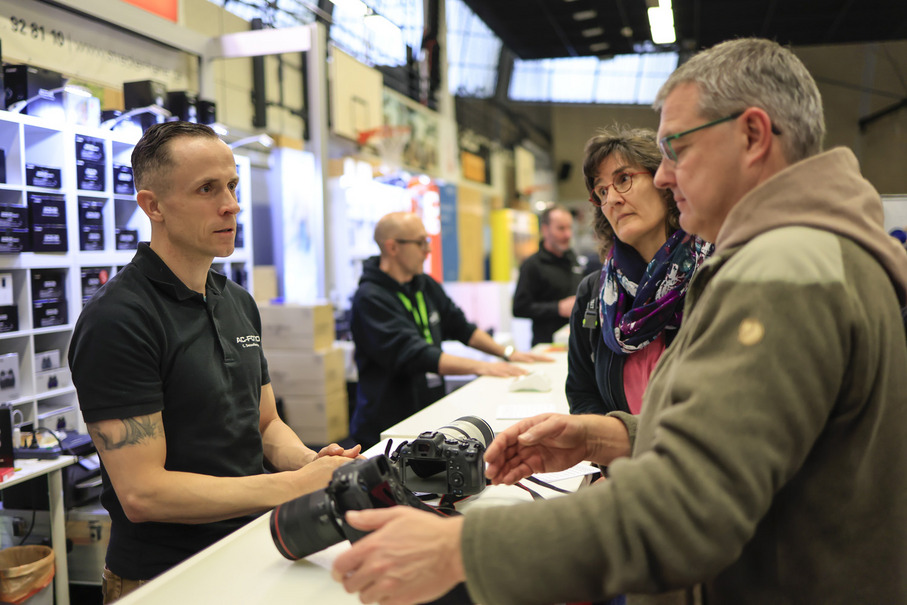
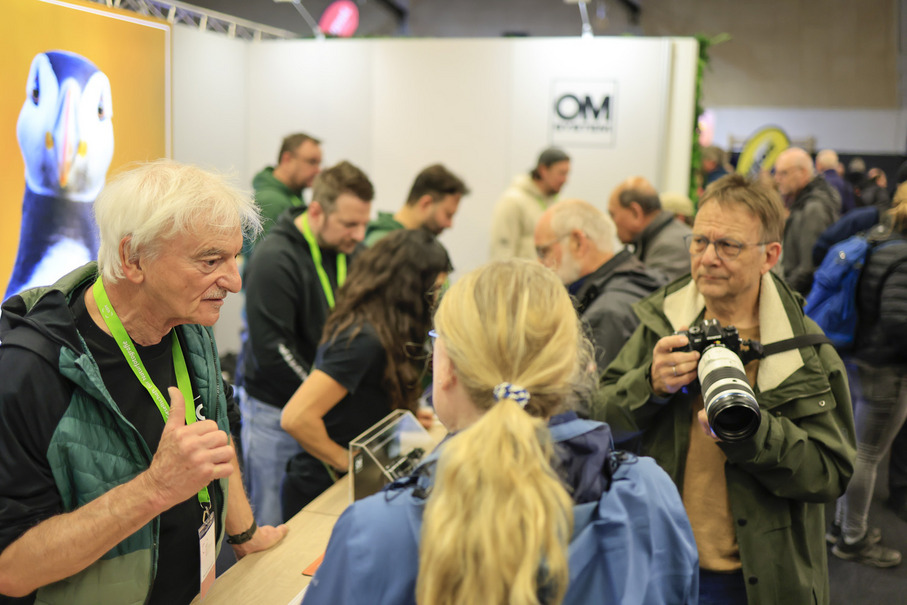
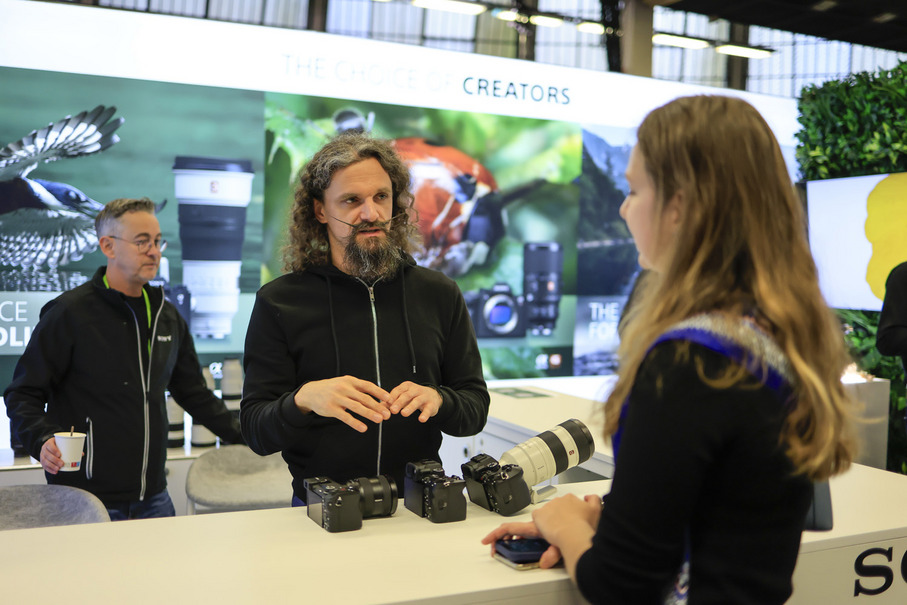
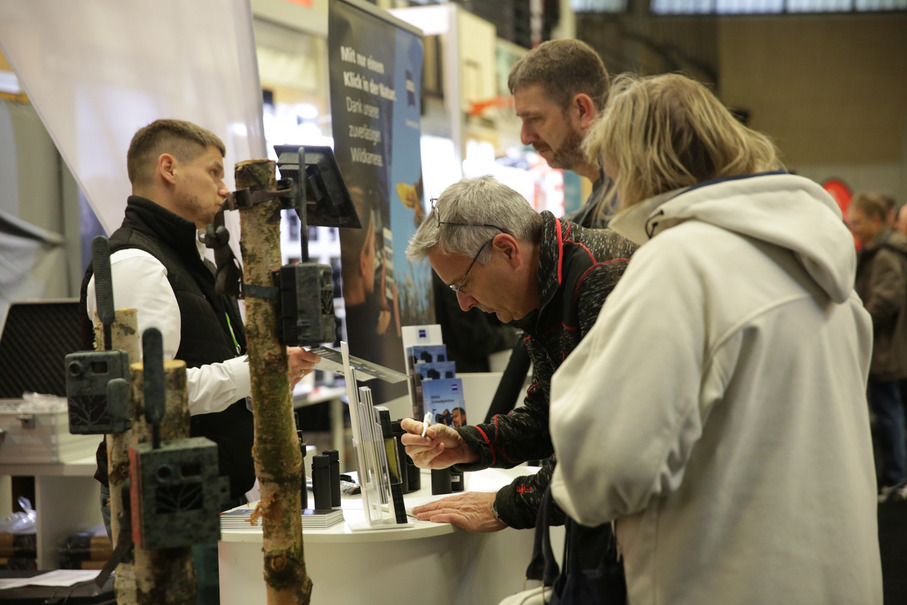
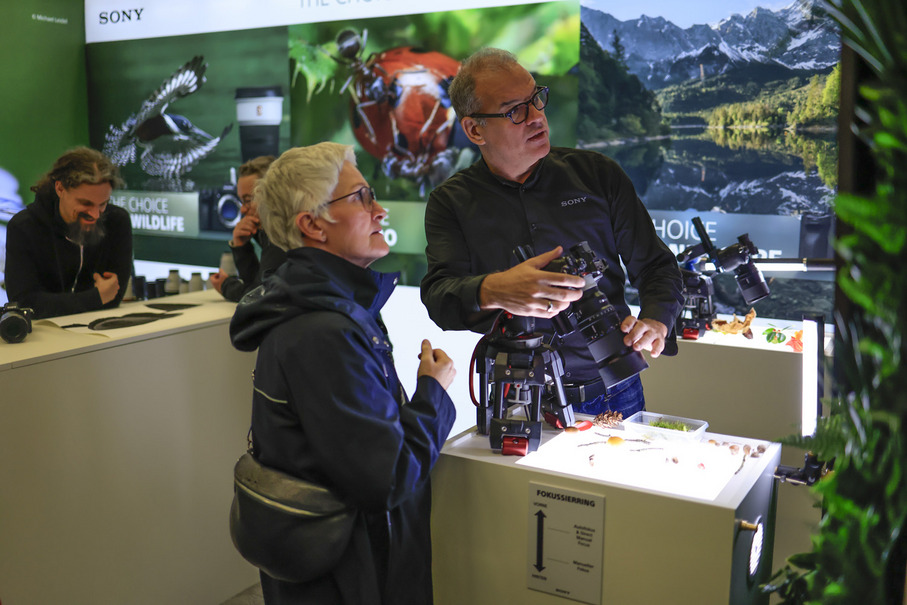
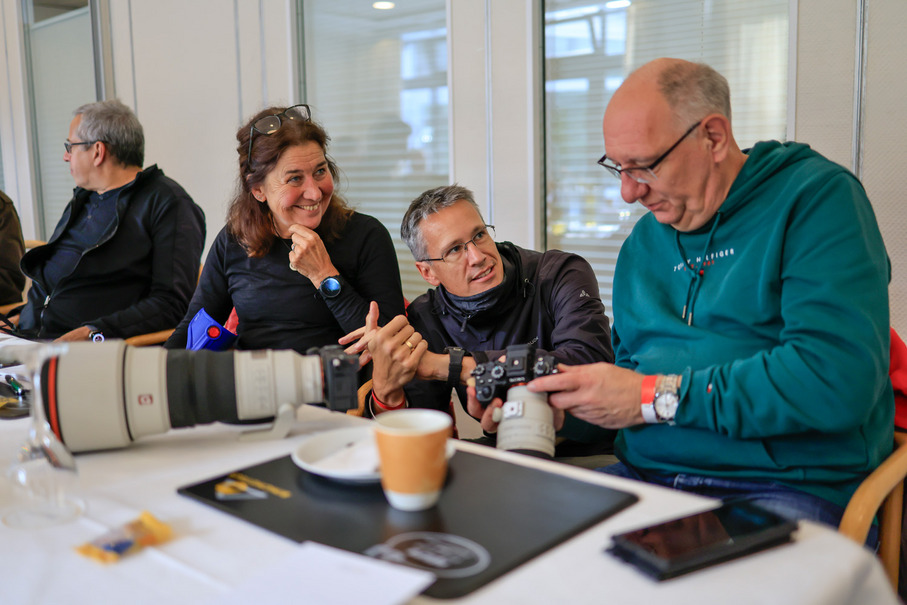
Photographic technology and detailed advice, expert discussions and suitable equipment from around 100 exhibitors made the hearts of photography enthusiasts beat faster.